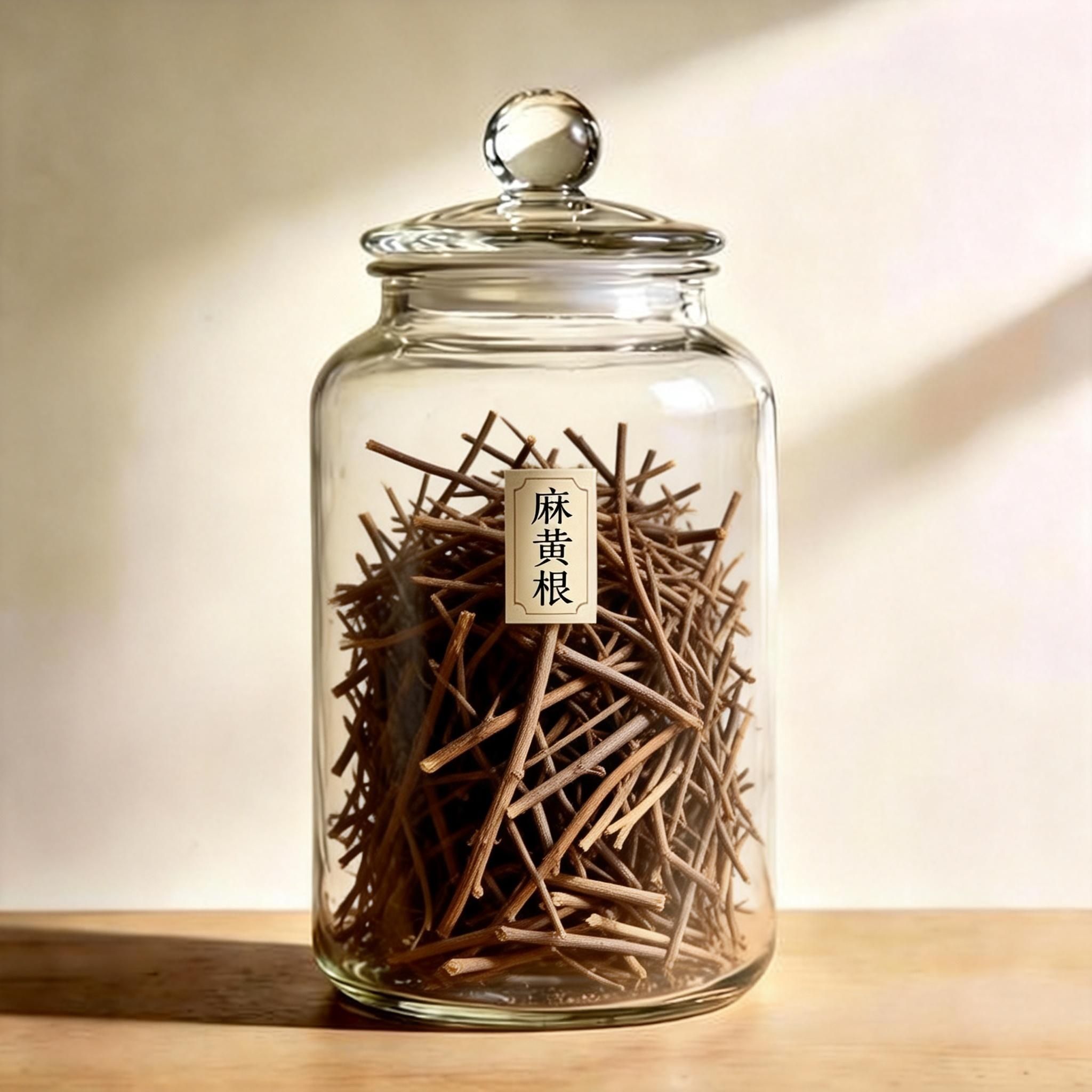
Chinese Ephedra Root
麻黄根
Astringent Herbs

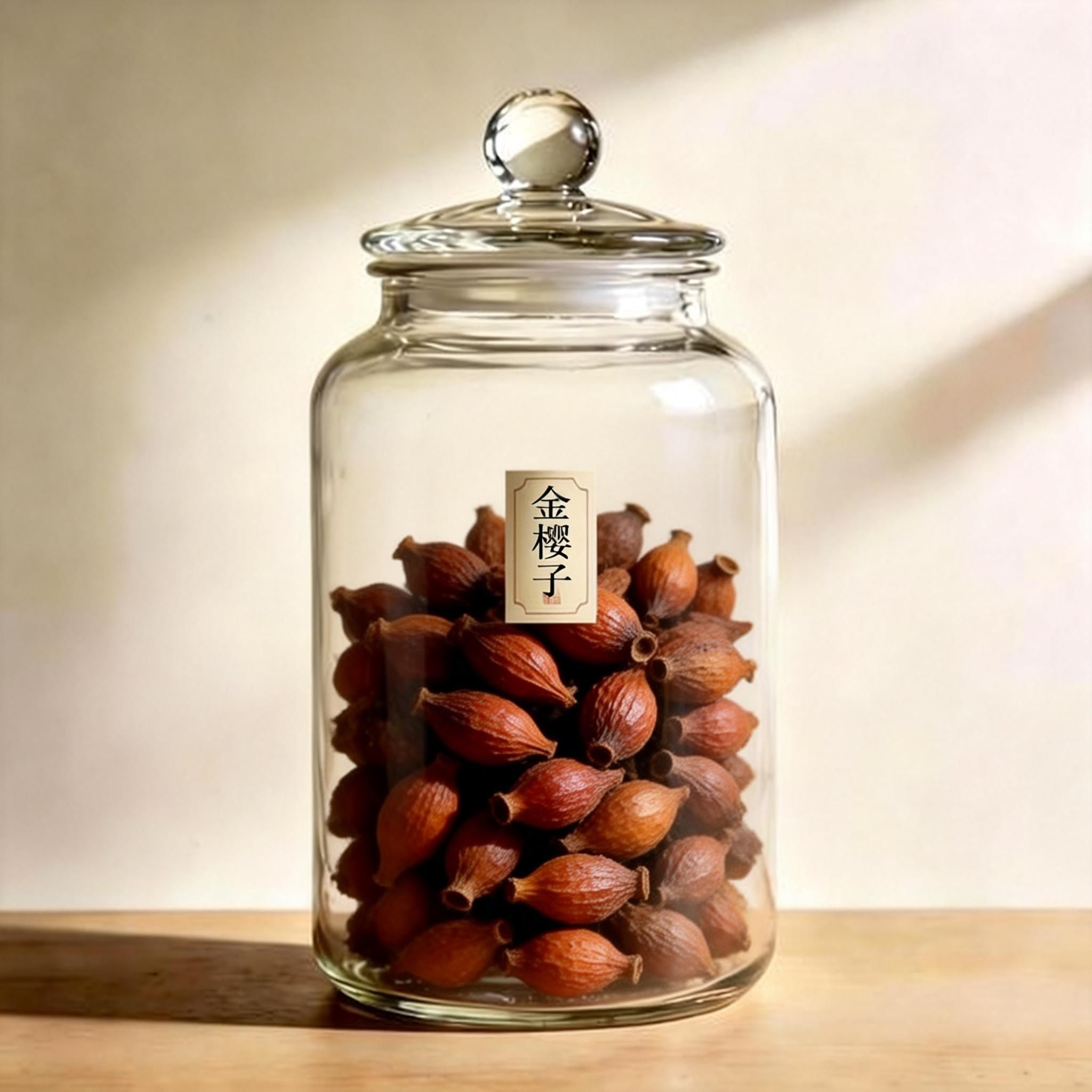
Ciyuzi, Cilizi, Jinyingzi, Shanshiliu, Shanjitouzi, Huangciguo, Fengtangguan, Binglangguo, Jinhuping, Yeshiliu, Tangjuzi, Xiaoshiliu, Huangchaping, Tenggouzi, Tanglangguo, Tangciguo, Denglongguo
Neutral; Sour, Astringent
Cherokee Rose Fruit contains citric acid, malic acid, tannins, resin, vitamin C, saponins, and also rich sugars and a small amount of starch.
1. Effect on experimental atherosclerosis: rabbits fed cholesterol plus an appropriate amount of methylthiouracil to produce experimental atherosclerosis, treated with Cherokee Rose Fruit for two and three weeks, showed serum cholesterol reduced by 12.5% and 18.67% respectively, and β-lipoprotein also significantly decreased after 3 weeks of administration. Fat deposition in the liver and heart was milder than in the control group. The degree of atherosclerosis was also very mild, whereas the control group was very severe.
2. Antibacterial action: Cherokee Rose Fruit contains tannins; using the plate method for the inhibition test, a 25% root decoction has high inhibitory action against Staphylococcus aureus and Escherichia coli, and is also effective against Pseudomonas aeruginosa. Chick embryo tests prove that a Cherokee Rose Fruit decoction has strong inhibitory action against the PR strain of influenza virus, and also acts on the Asian type A 57-4 strain, type B Lee strain, type C 1233 strain and type D Sendai strain.
No precautions information available
NOTE: THE INFORMATION PROVIDE IS FOR EDUCATIONAL PURPOSES
ONLY AND IS NOT INTENDED AS MEDICAL ADVICE.