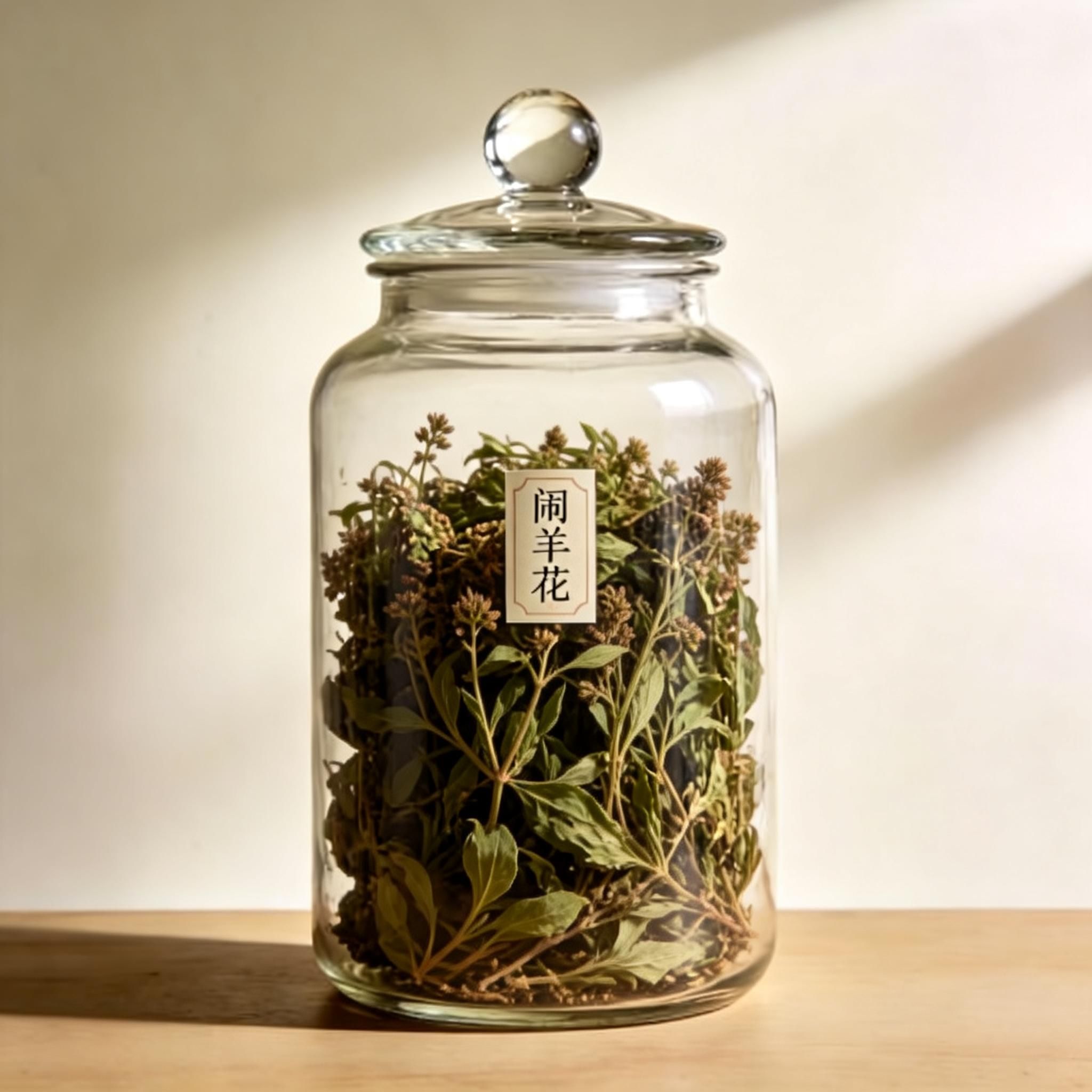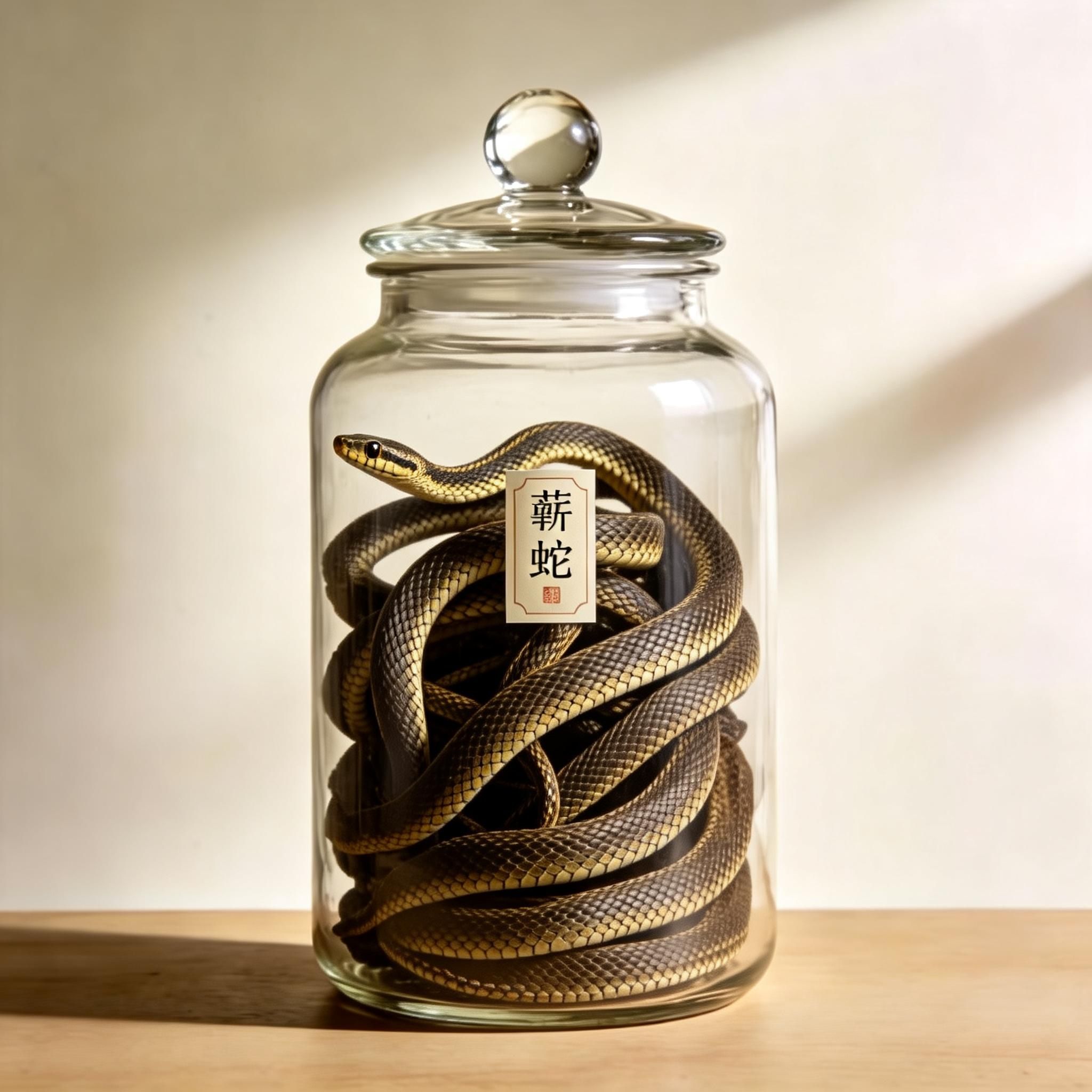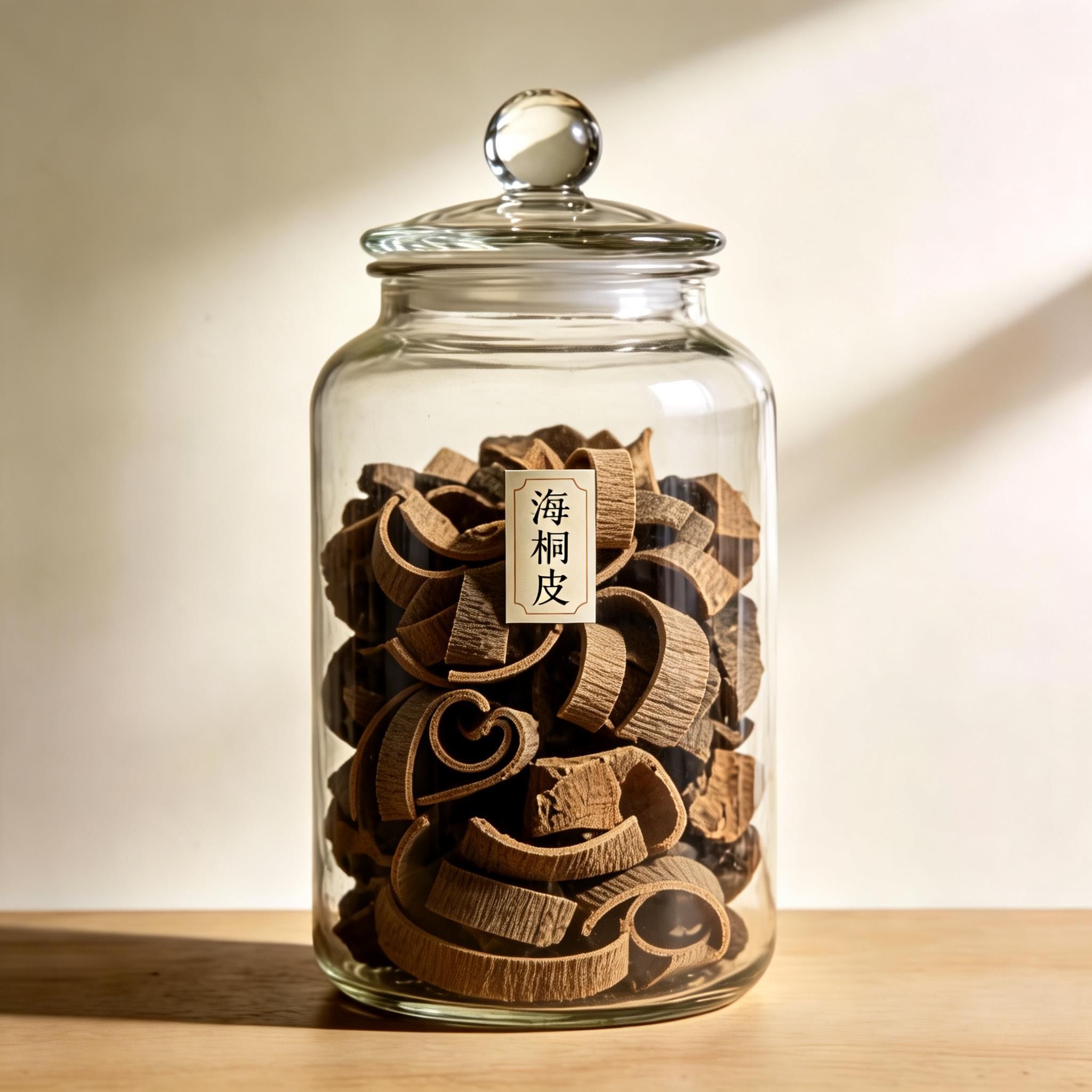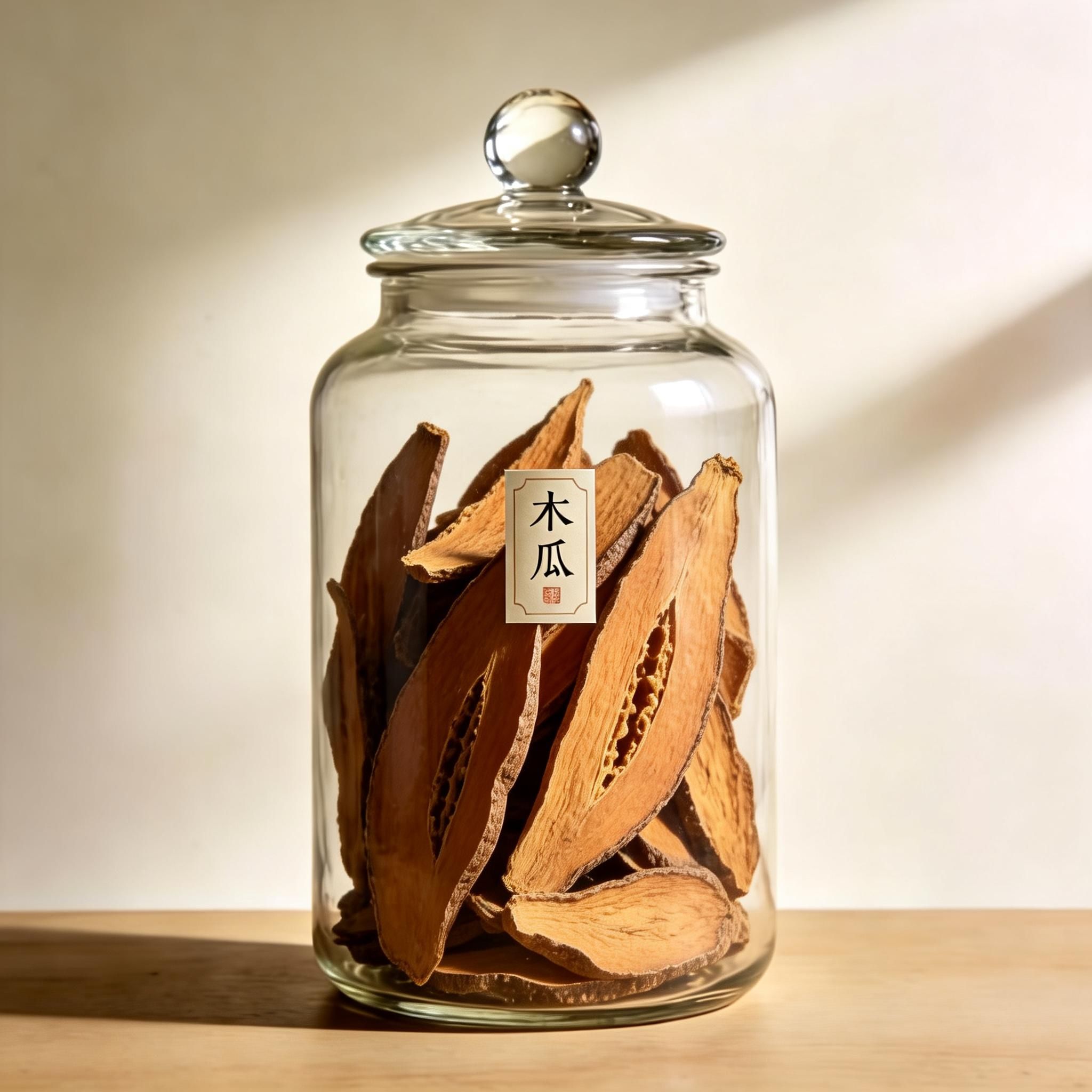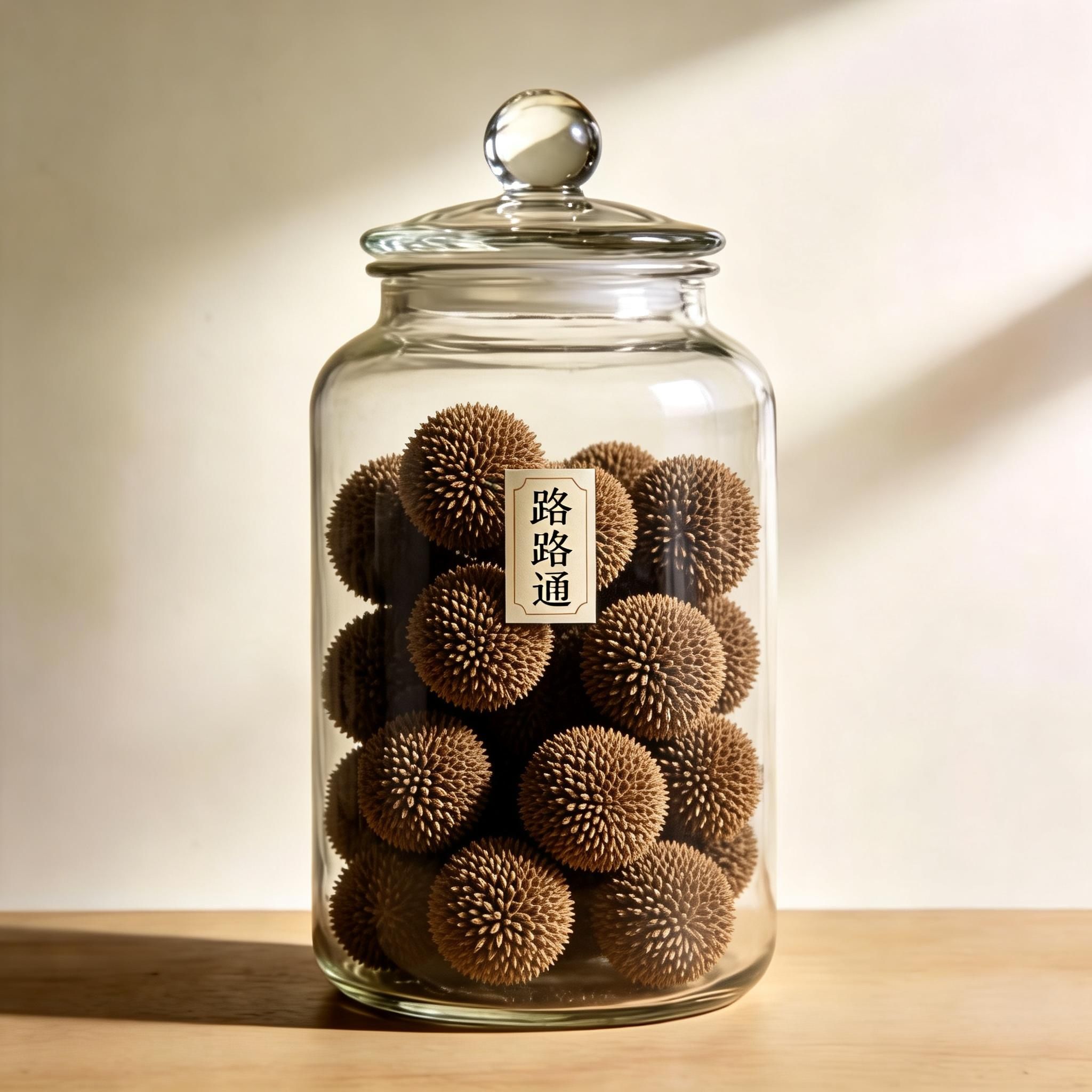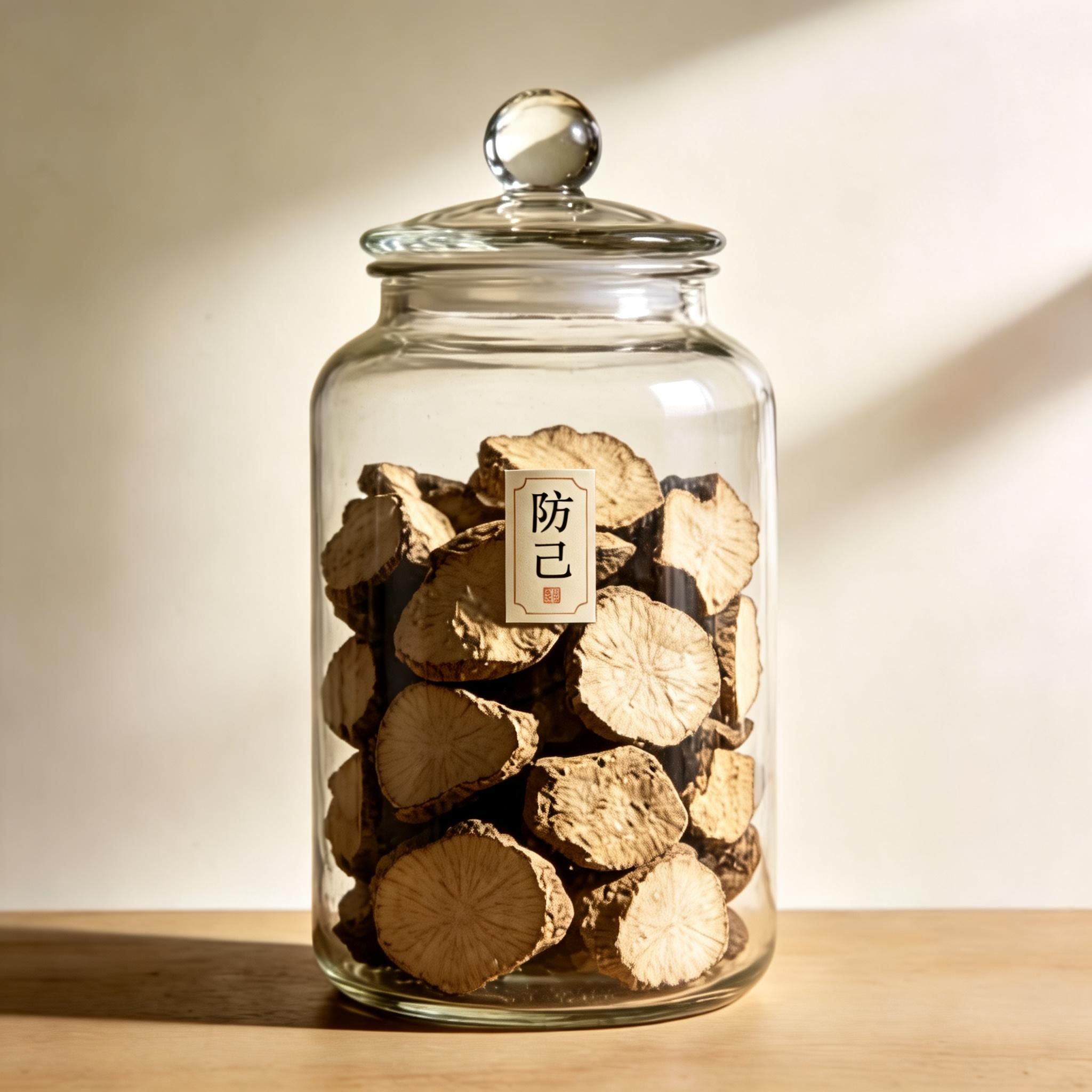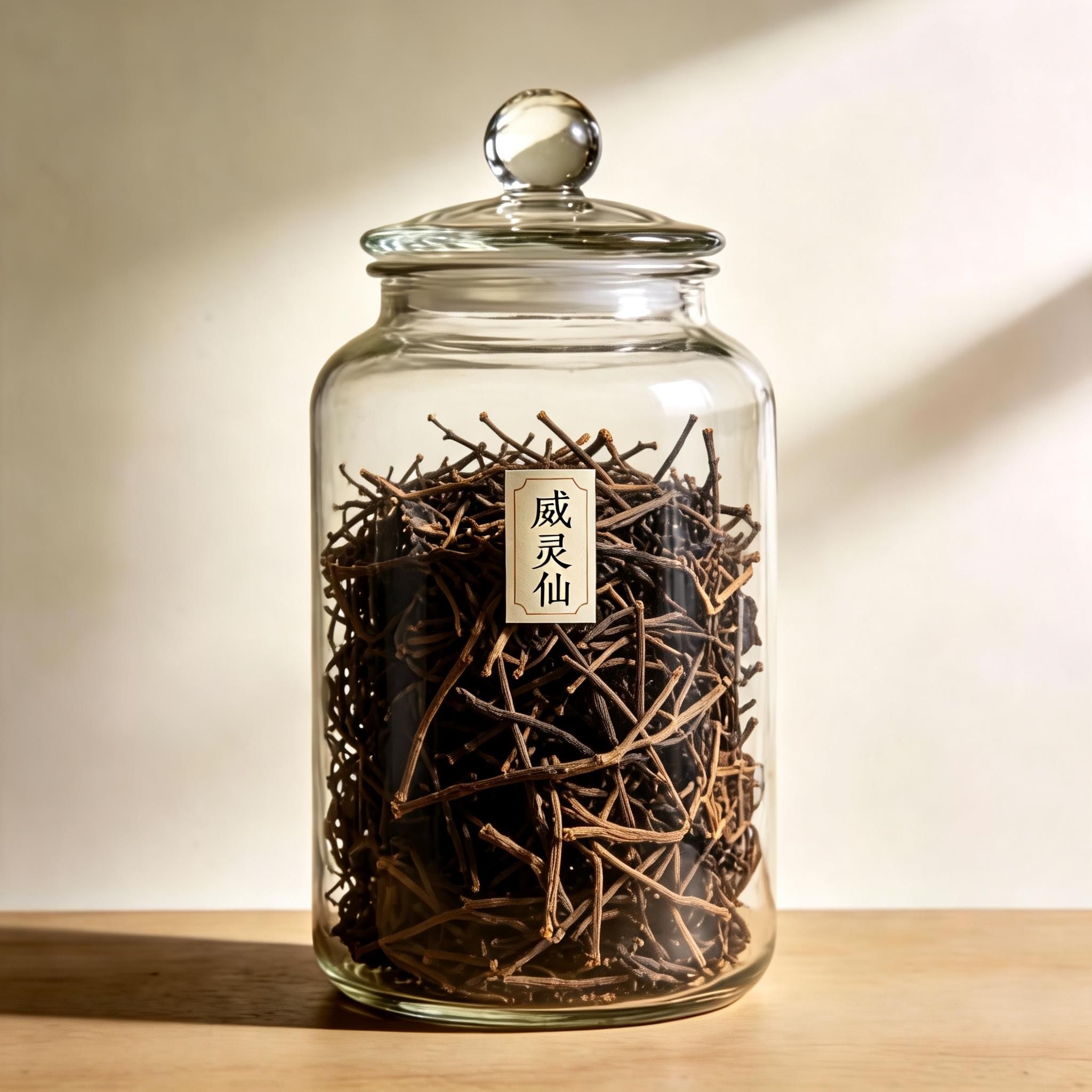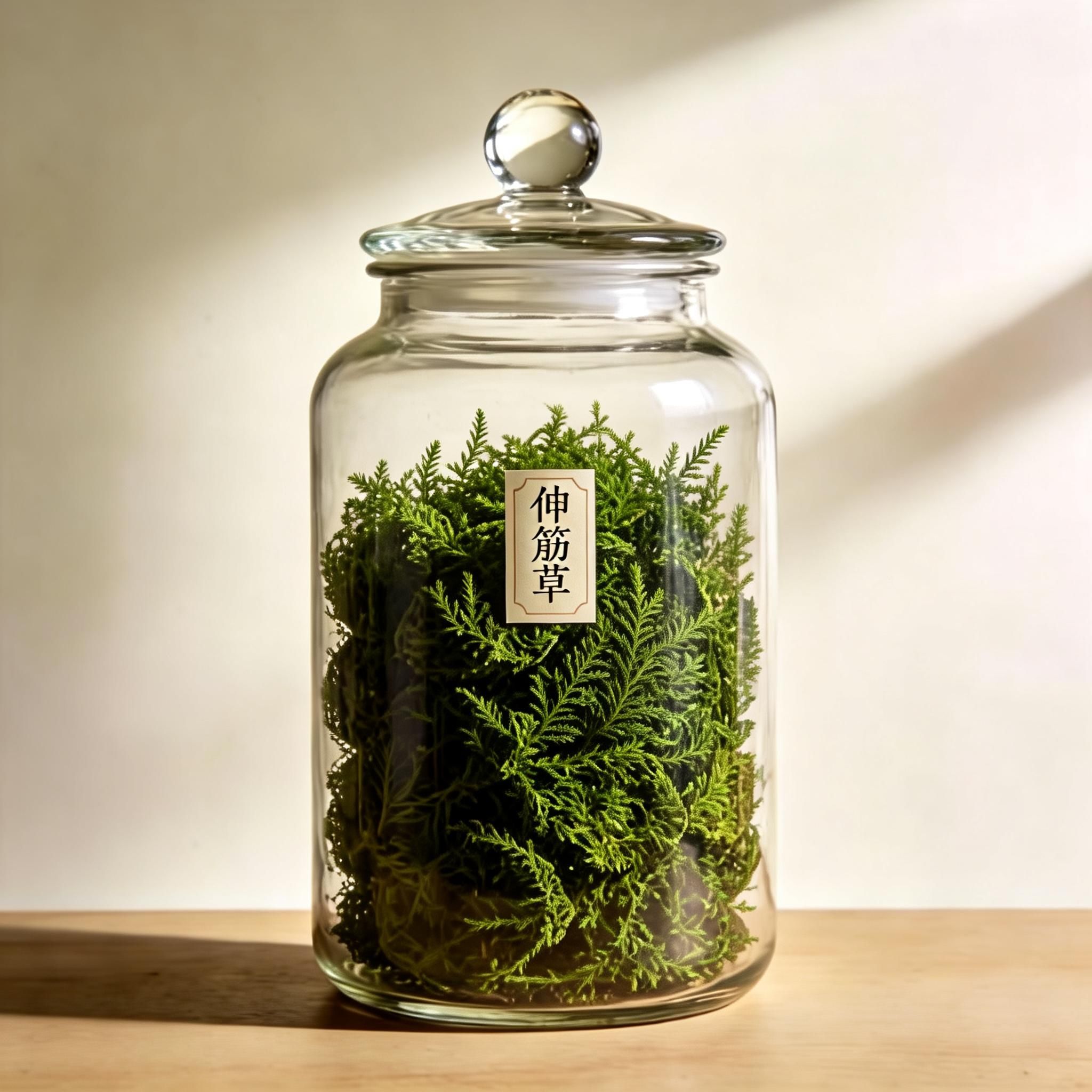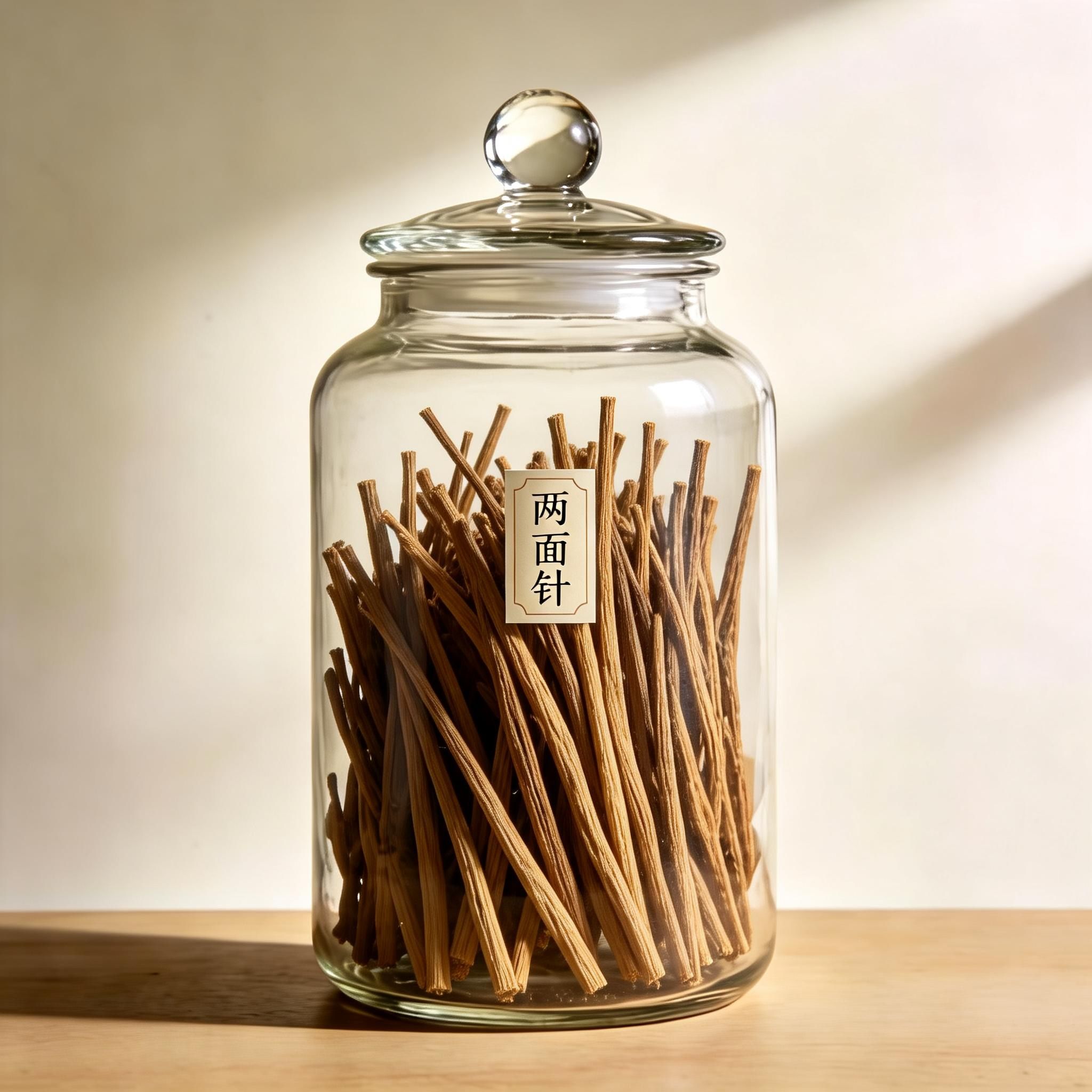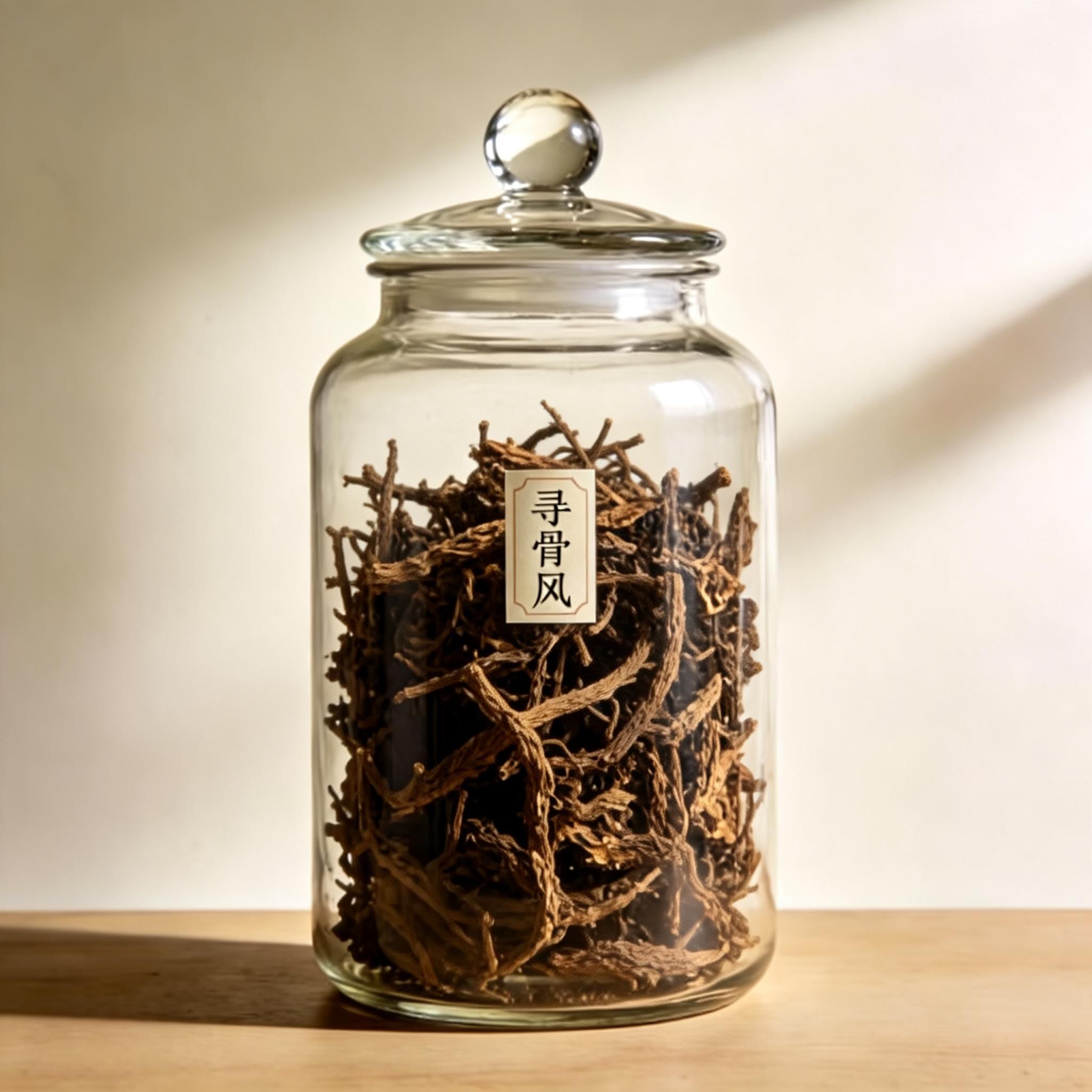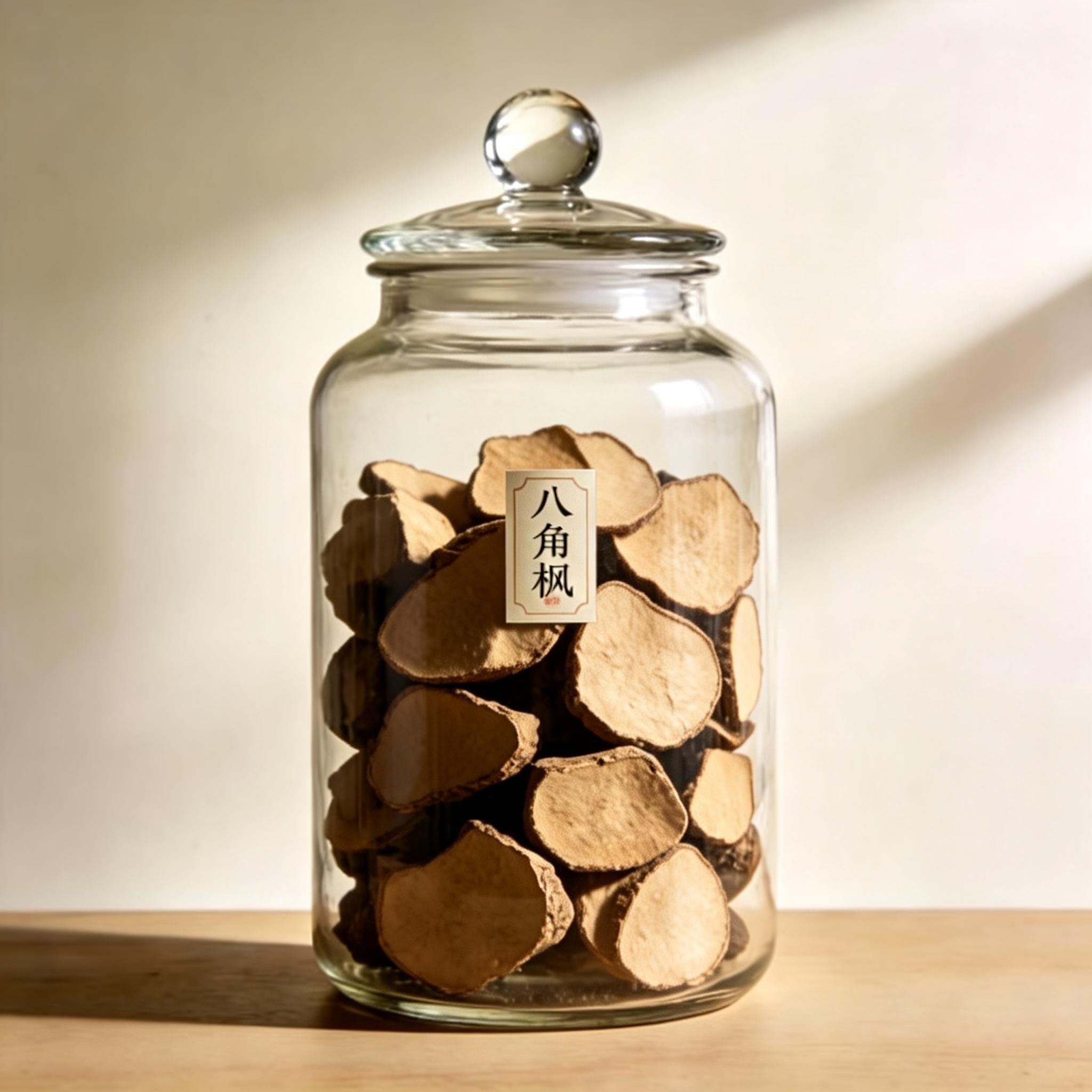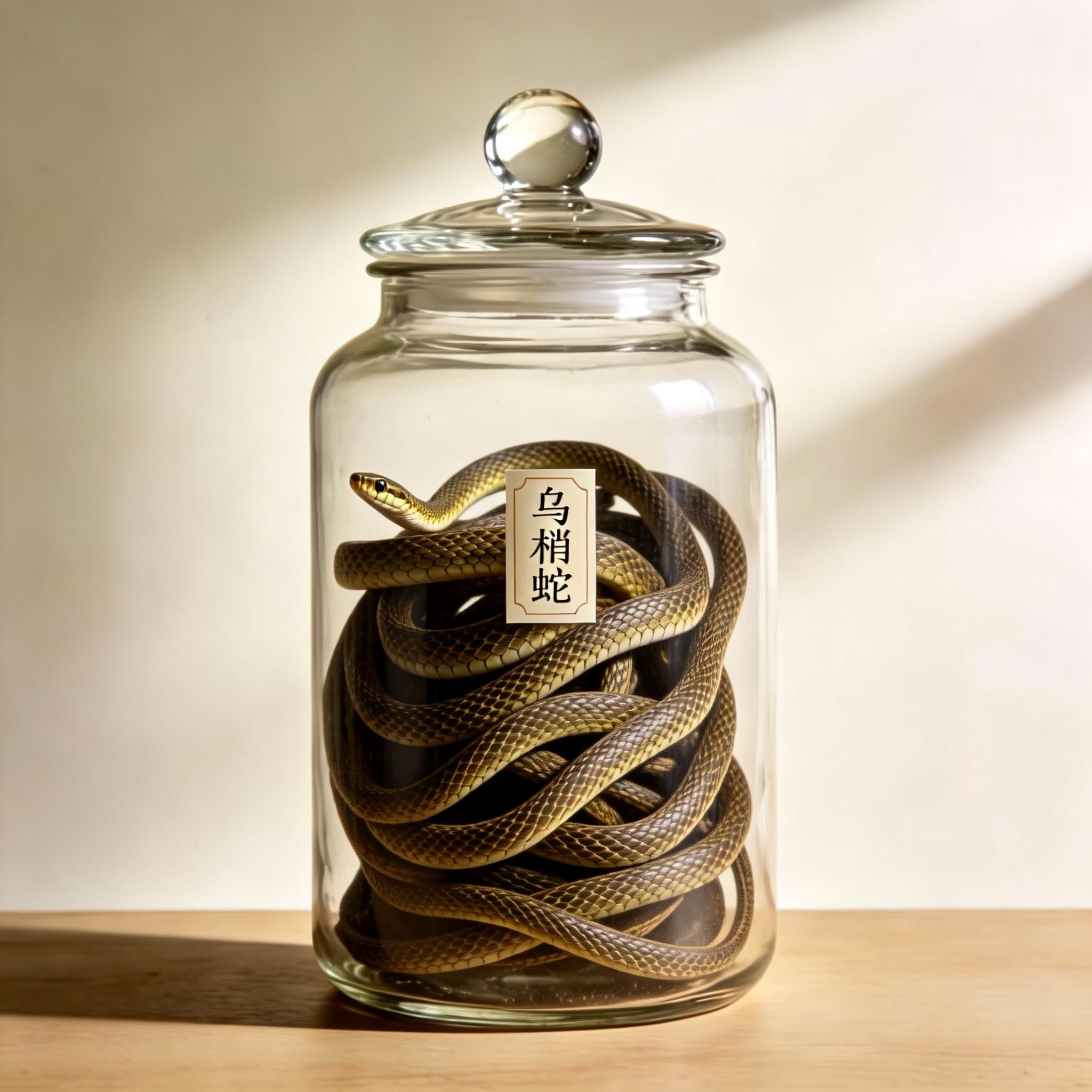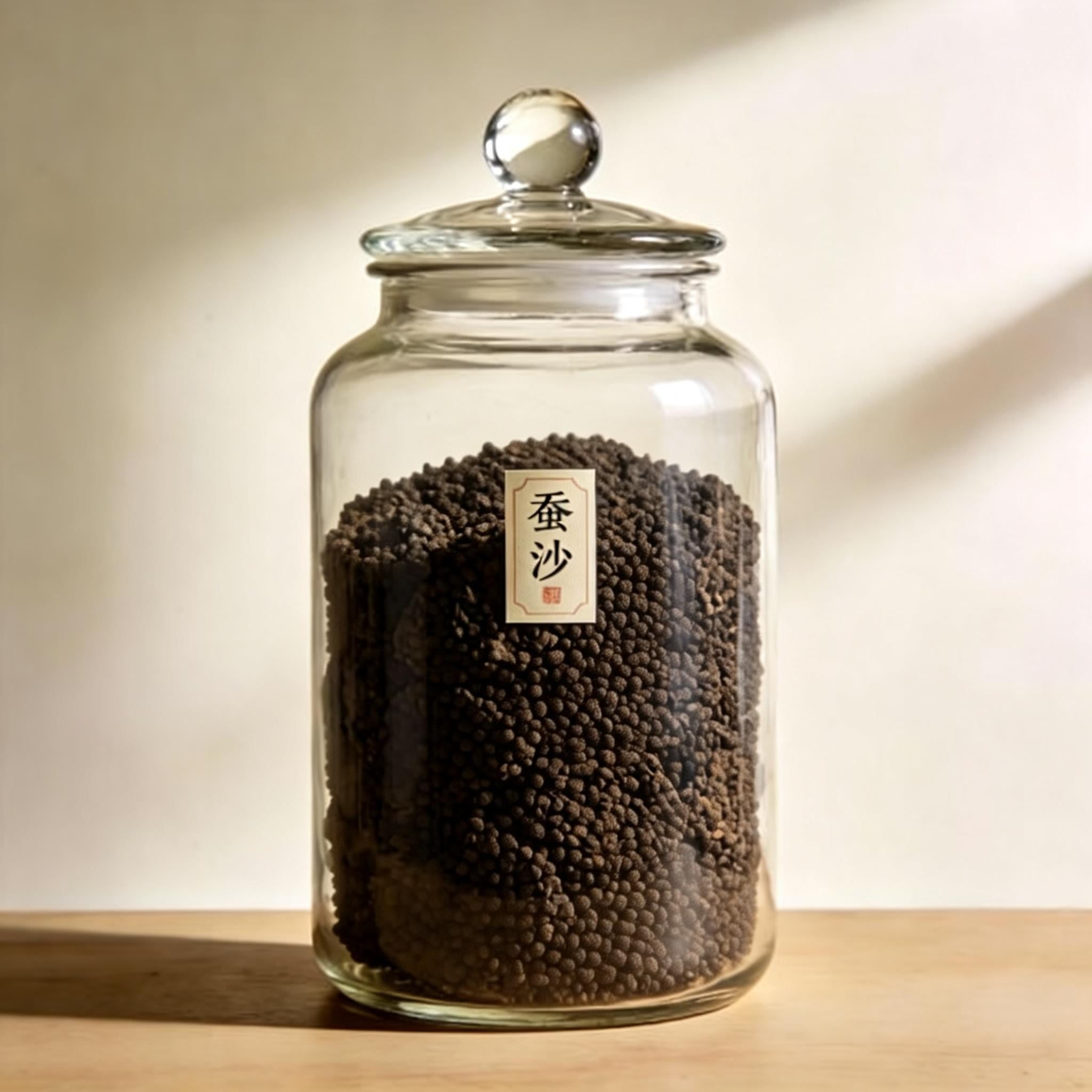
Cansha
蚕沙
Wind-Dampness-Dispelling Herbs


Qianlixiang, Wulixiang, Qilixiang
Warm, pungent, slightly bitter
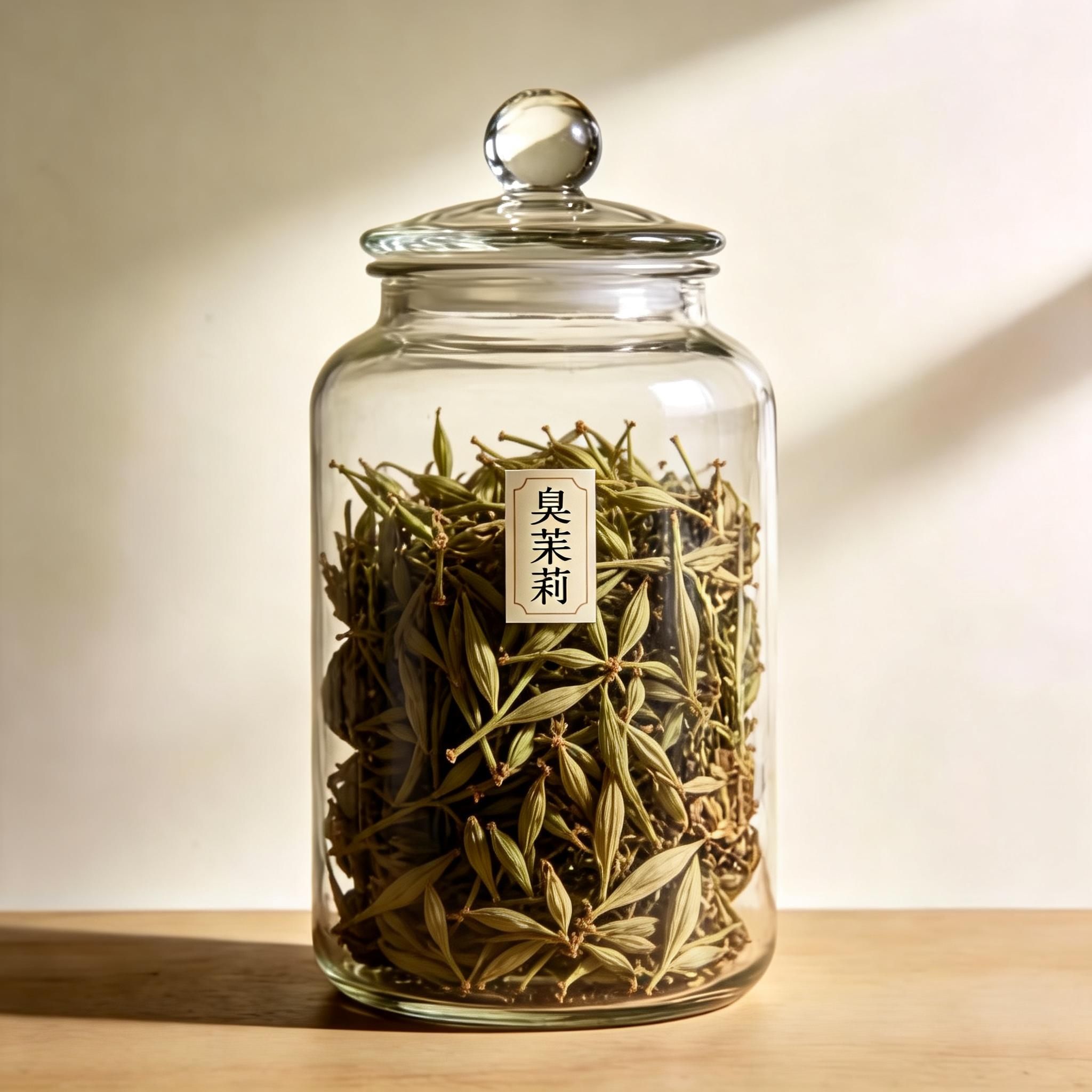
It contains coumarins, flavonoids, volatile oil and alkaloids. Its leaves contain coumarins: isomexoticin, murpanidin, murpanicin, osthole, coumurrayin, paniculatin, phebalosin, murrangatin, murrayone, murralongin, isomeranzin, meranzin hydrate and 7-methoxy-8-(2'-formyl-2'-methylpropyl)coumarin.
1. Local anesthetic effect: Jiulixiang injection can be used for local infiltration anesthesia in major, medium, and minor surgical procedures. Xiaoye Jiulixiang can also be used for topical anesthesia. 2. Hypoglycemic effect: Feeding rats leaves of Jiulixiang and mustard can cause hypoglycemia. This is attributed to a marked increase in glycogen synthase activity, promotion of glycogen synthesis, and reductions in glycogen phosphorylase and gluconeogenic enzyme activity, thereby decreasing glycogen breakdown and gluconeogenesis and increasing hepatic glycogen content.
No precautions information available
NOTE: THE INFORMATION PROVIDE IS FOR EDUCATIONAL PURPOSES
ONLY AND IS NOT INTENDED AS MEDICAL ADVICE.