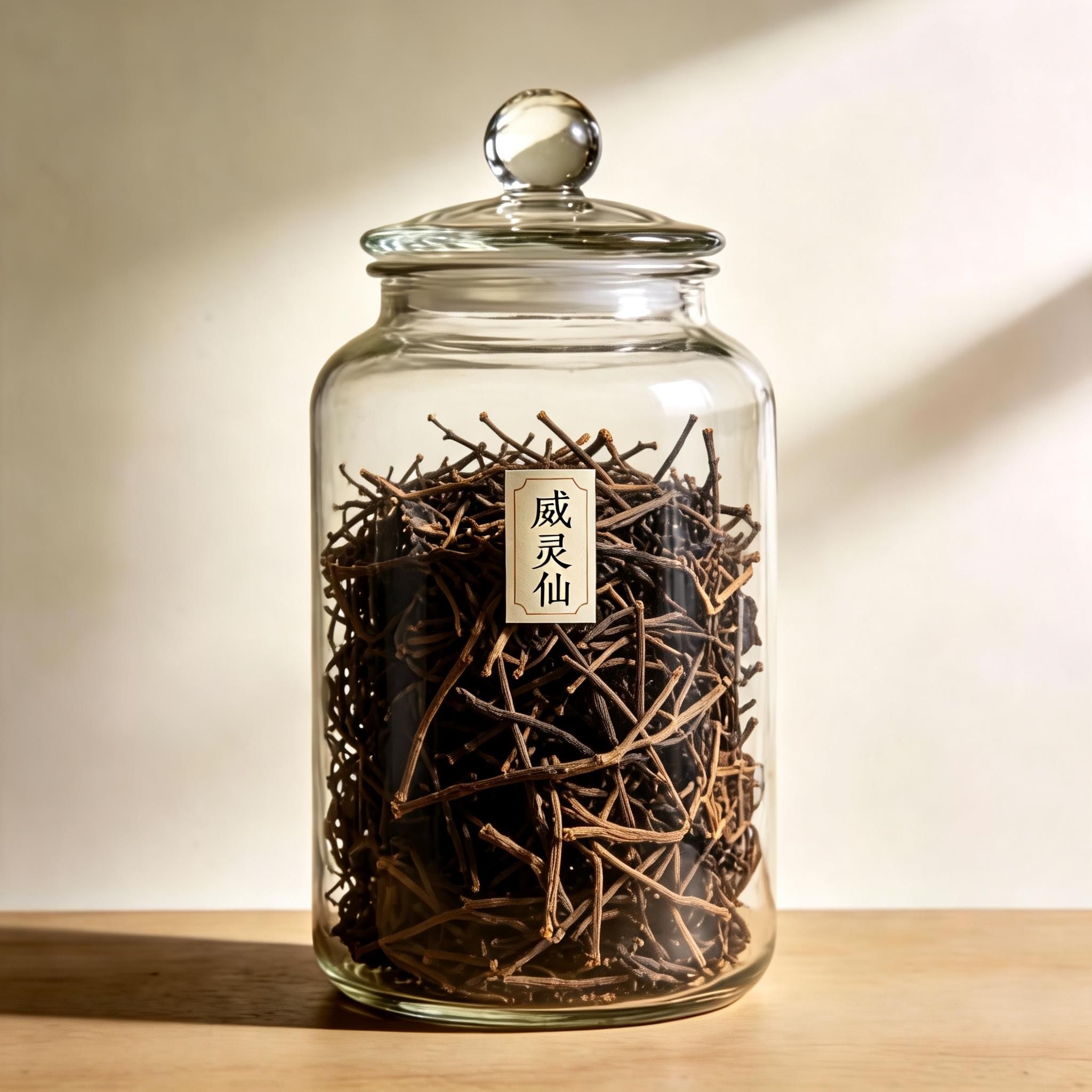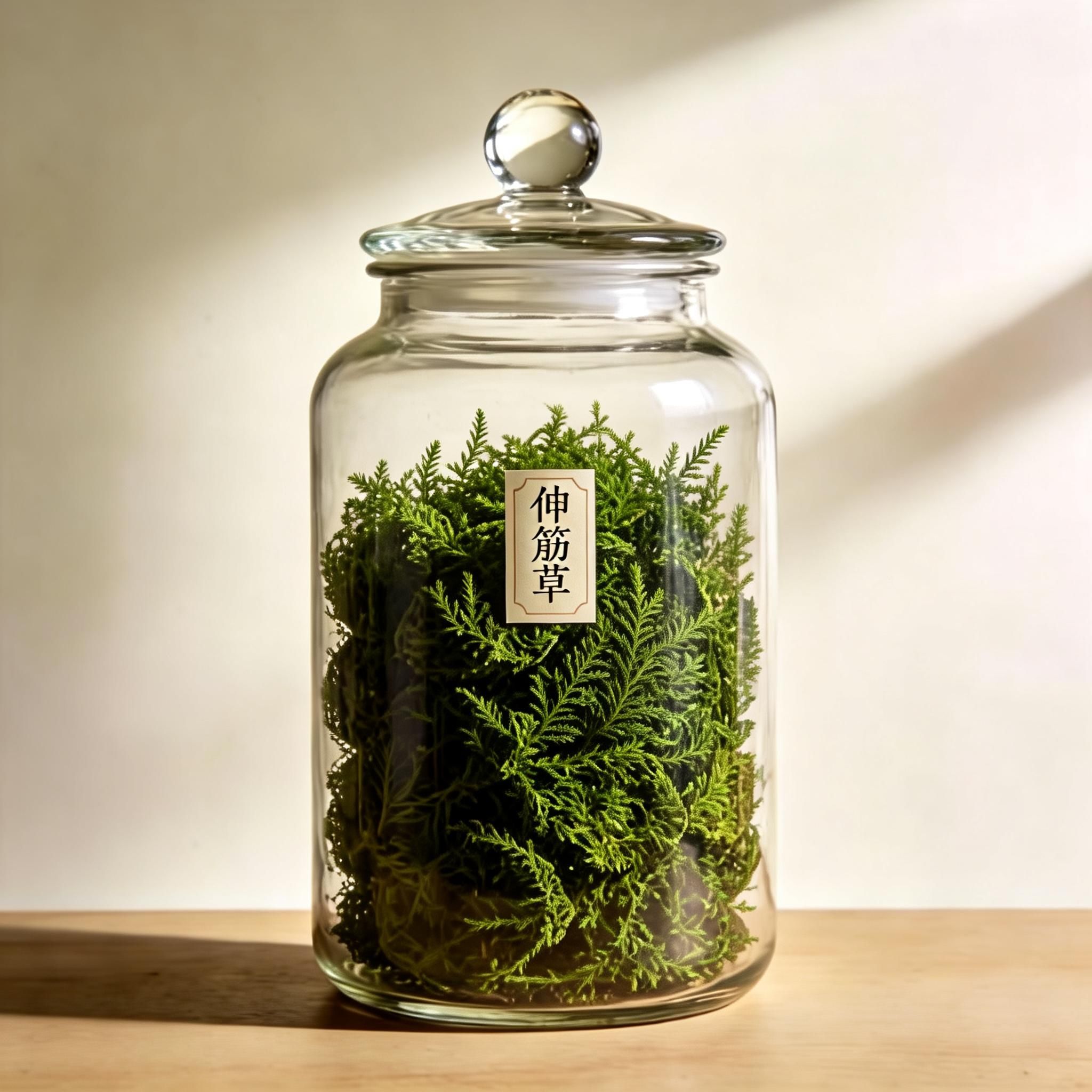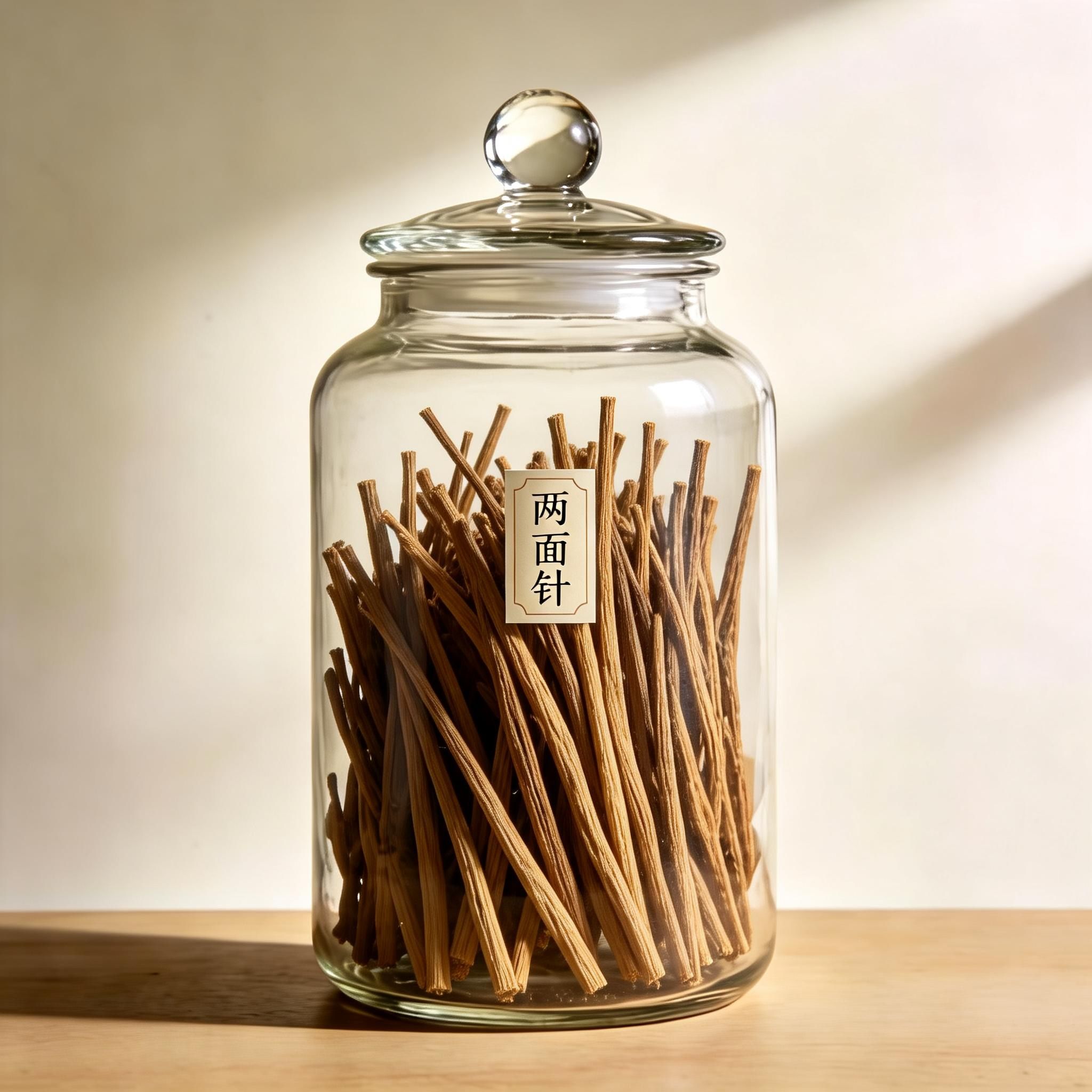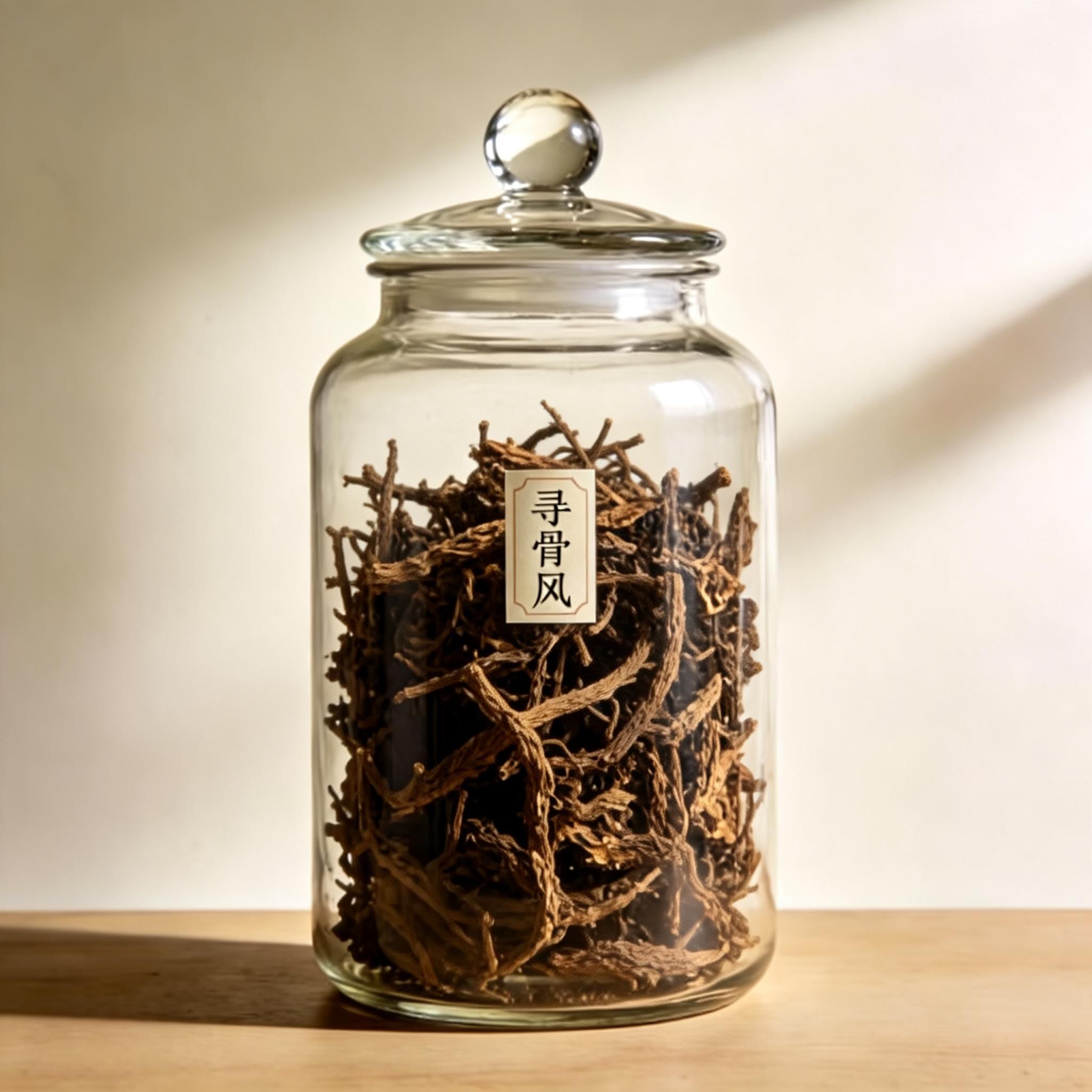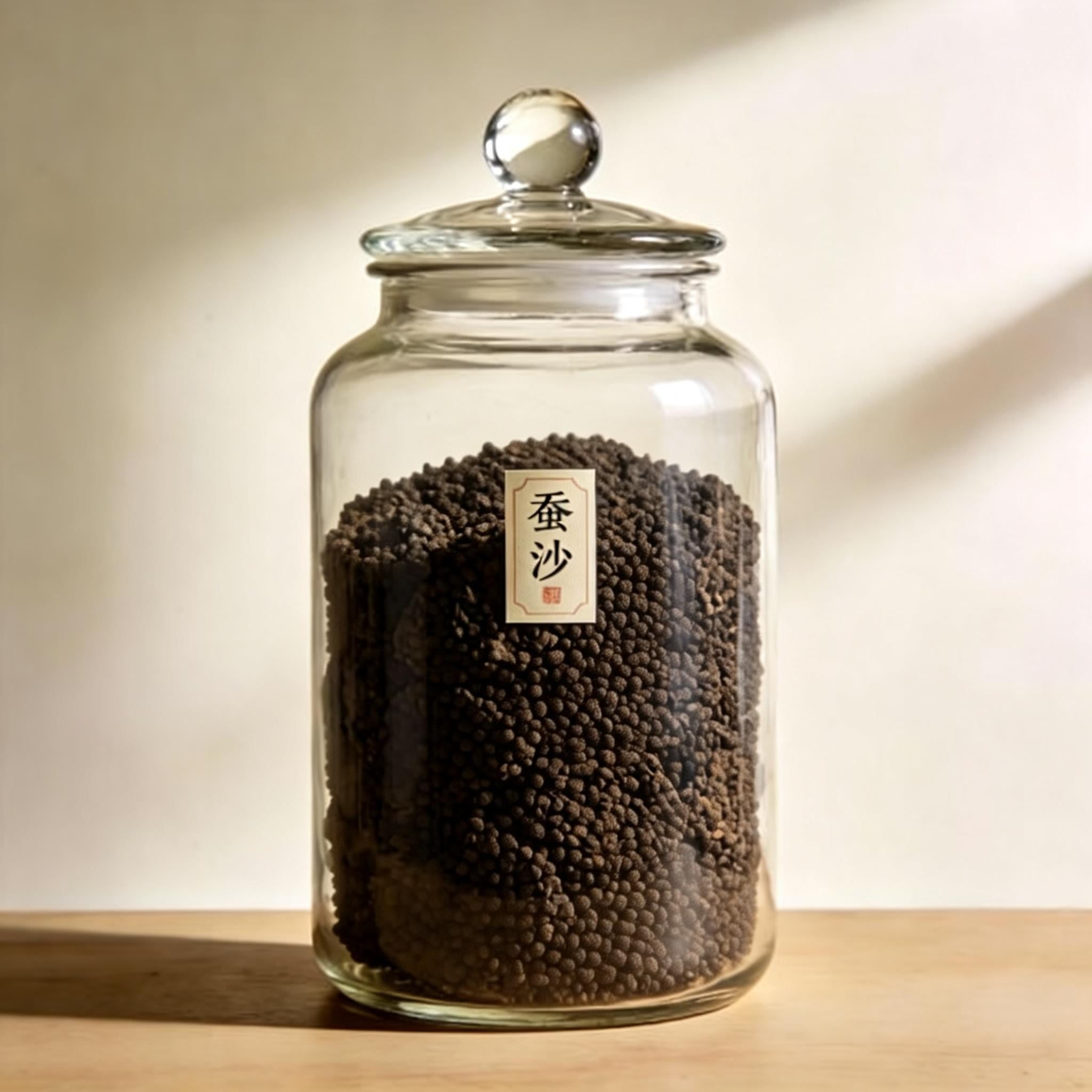
Cansha
蚕沙
Wind-Dampness-Dispelling Herbs


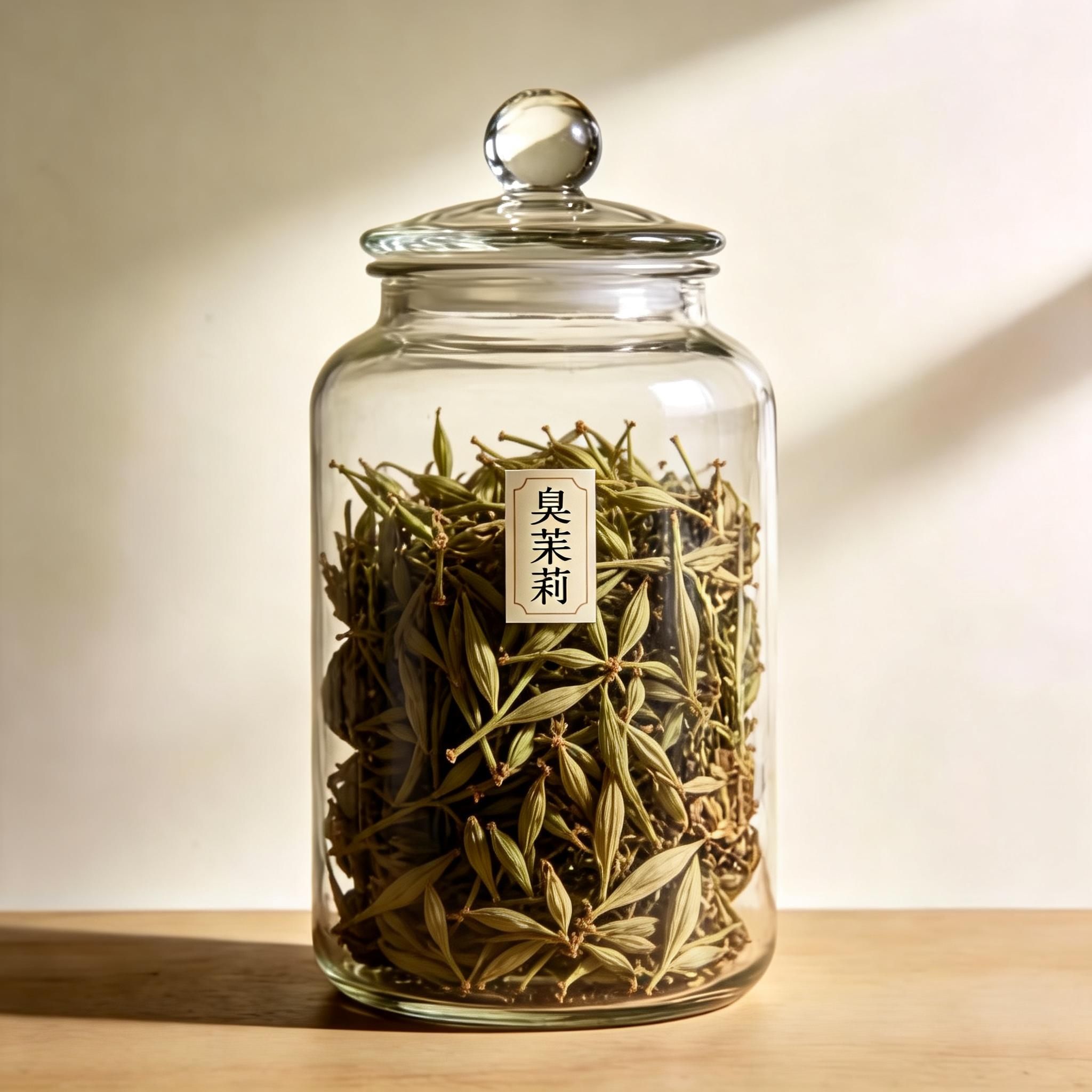
Caoyuling, Xiangshuihua, Lulihua, Lulingcao, Mizicao, Saozhoumizi, Caoyulan, Xiaoluli, Caocunxiang
Warm, sweet, bitter. Toxic
The whole plant contains convallatoxin, convallatoxol, convalloside and deglucocheirotoxin, etc., as well as rhodeasapogenin and isorhodeasapogenin, etc.
1. Cardiotonic effect: Infusions of lily-of-the-valley leaves, stems, or whole herb, as well as alcoholic extracts of the whole herb, have digitalis-like effects. They increase myocardial contractility in both cold-blooded and warm-blooded animals, with more pronounced effects on failing hearts. They also slow the heart rate and inhibit conduction, showing typical cardiac glycoside activity. 2. Sedative effect: It suppresses the cerebral cortex in rats, prolongs conditioned-reflex latency, and reduces conditioned-reflex responses. Large doses may also inhibit unconditioned reflexes, possibly because the inhibitory effect spreads to subcortical centers. 3. Other effects: Clinically, lily of the valley may calm patients, improve sleep, and reduce restlessness. Convallatoxin can increase myocardial glycogen levels in normal rats and cats and in animals with myocarditis, although its effect is weaker than that of strophanthin.
No precautions information available
NOTE: THE INFORMATION PROVIDE IS FOR EDUCATIONAL PURPOSES
ONLY AND IS NOT INTENDED AS MEDICAL ADVICE.