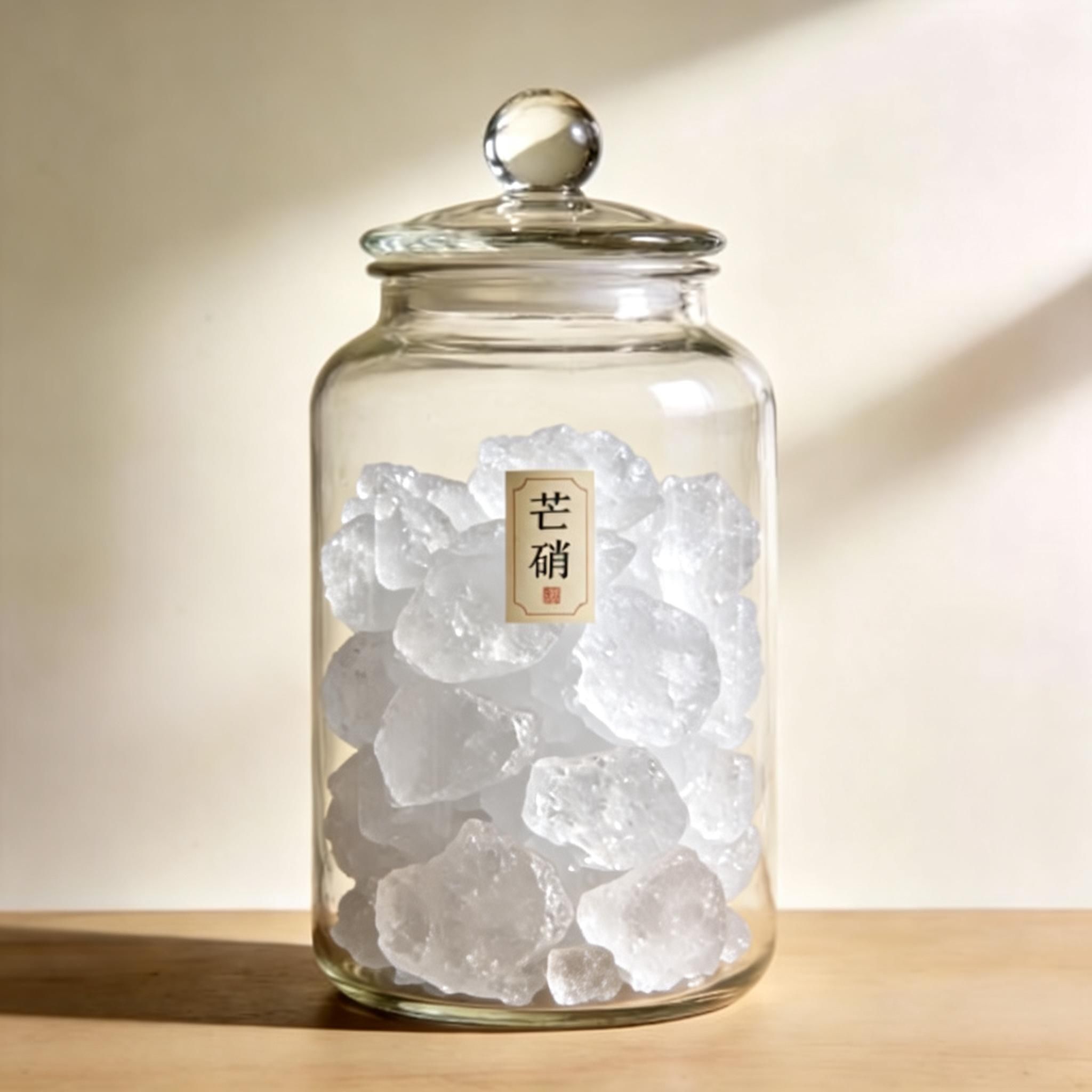
Mirabilitum
芒硝
Purgative (Downward-Draining) Herbs

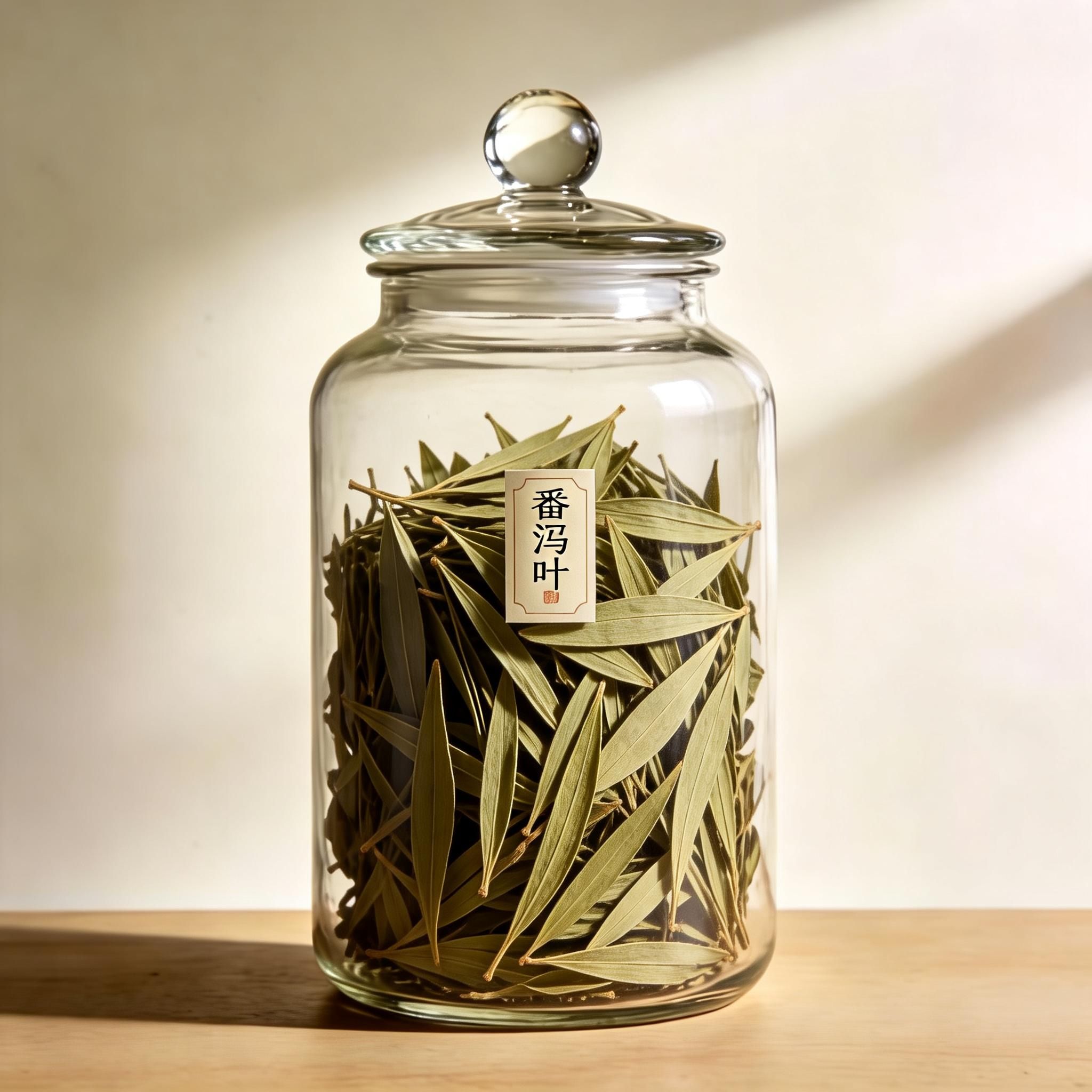
Zhanna Leaf, Purgative Leaf, Paozhu Leaf
Cold, sweet, bitter
The leaves of Cassia angustifolia contain sennoside C, namely rhein-aloe-emodin-dianthrone-8,8'-diglucoside. Besides sennoside A and sennoside B, the pods also contain glucosides of rhein and chrysophanol, together with trace amounts of aloe-emodin or emodin glucoside. The leaves and pods of Cassia acutifolia each contain anthracene derivatives, from which rhein, aloe-emodin, a small amount of chrysophanol and sennosides such as sennoside A, sennoside B and sennoside C have been isolated; these anthracene derivatives all exist as glycosides. The plant also contains 3,5-dimethyl-4-methoxybenzaldehyde.
1. Purgative effect: Senna leaves contain anthraquinone derivatives. Their purgative and irritant effects are stronger than those of many other anthraquinone-containing laxatives, so purgation may be accompanied by abdominal pain. The main active constituents are sennosides A and B. After absorption from the stomach and small intestine, they are metabolized in the liver, and their metabolites stimulate pelvic nerve ganglia through the bloodstream, causing contraction of the large intestine and diarrhea. 2. Other effects: Senna plants can produce many compounds of economic value. In addition to their purgative effects, some senna leaves also exhibit antibacterial, antibiotic, and curare-like effects.
No precautions information available
NOTE: THE INFORMATION PROVIDE IS FOR EDUCATIONAL PURPOSES
ONLY AND IS NOT INTENDED AS MEDICAL ADVICE.