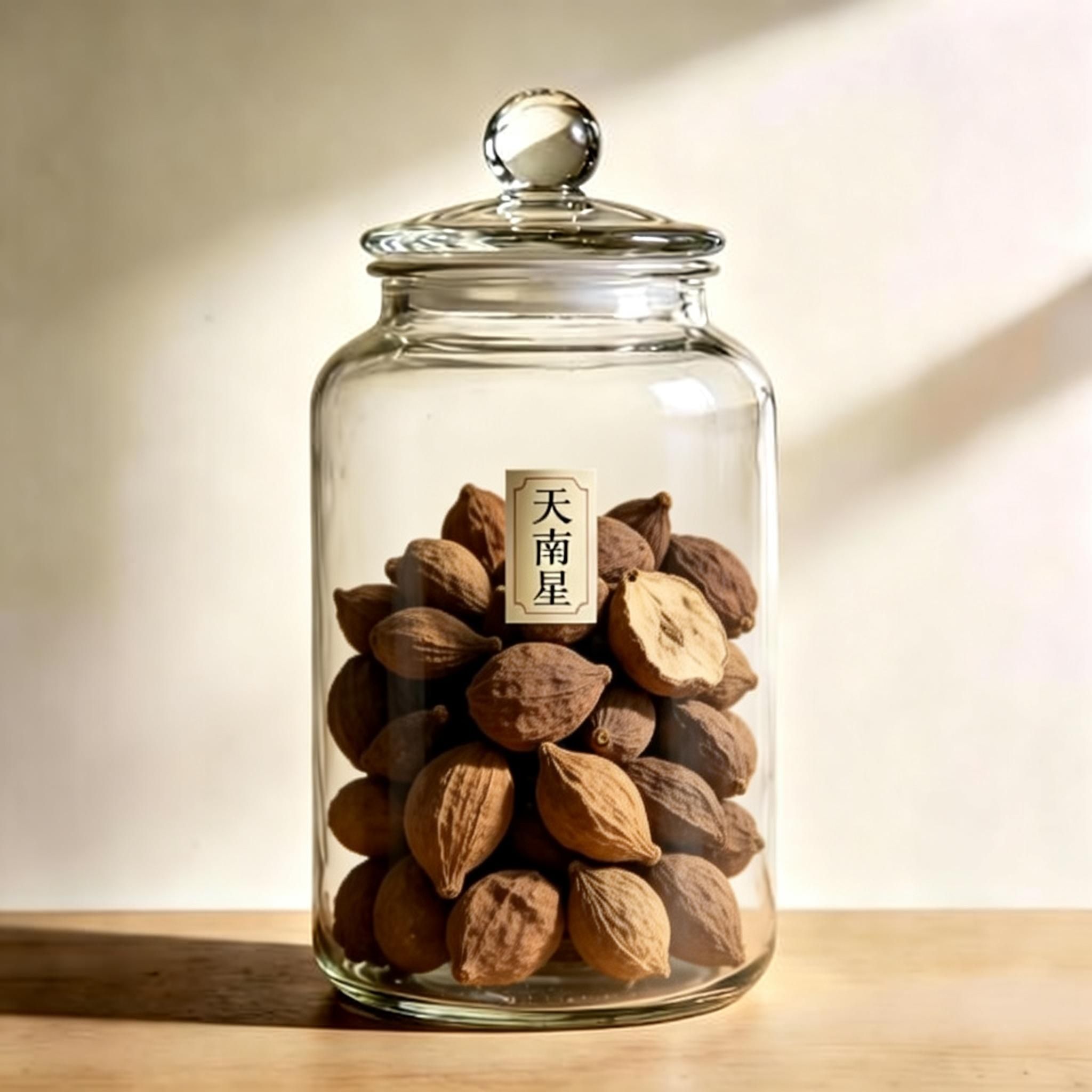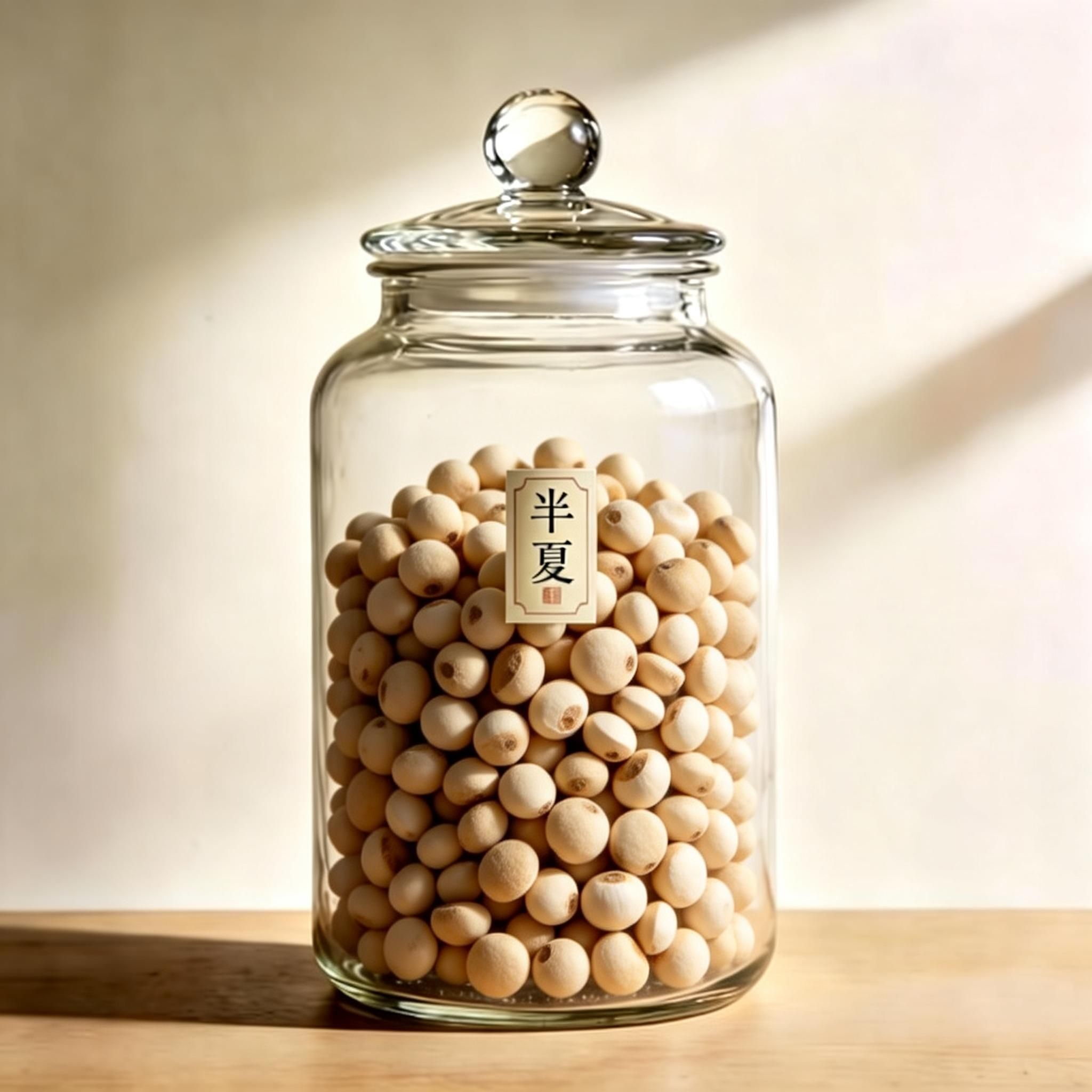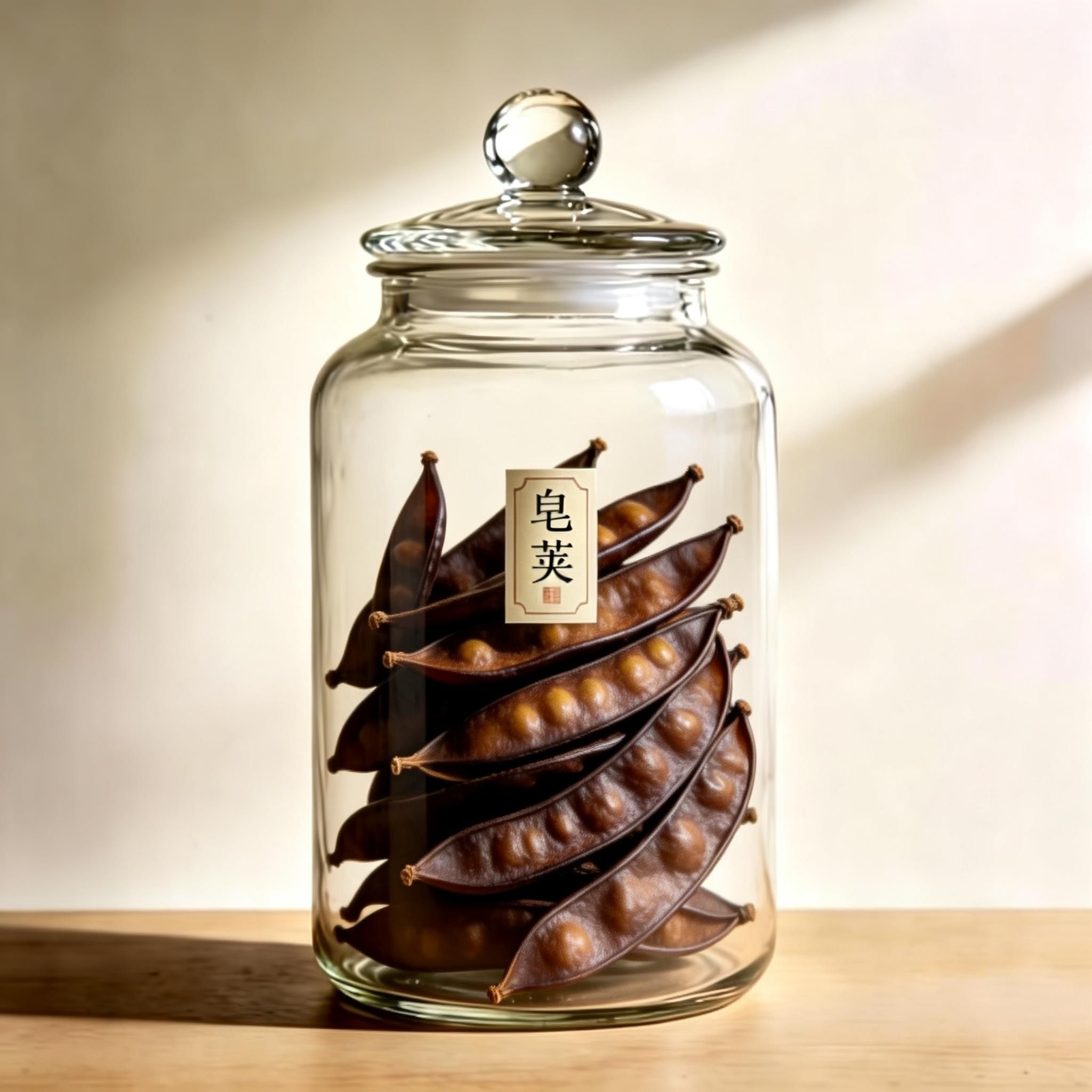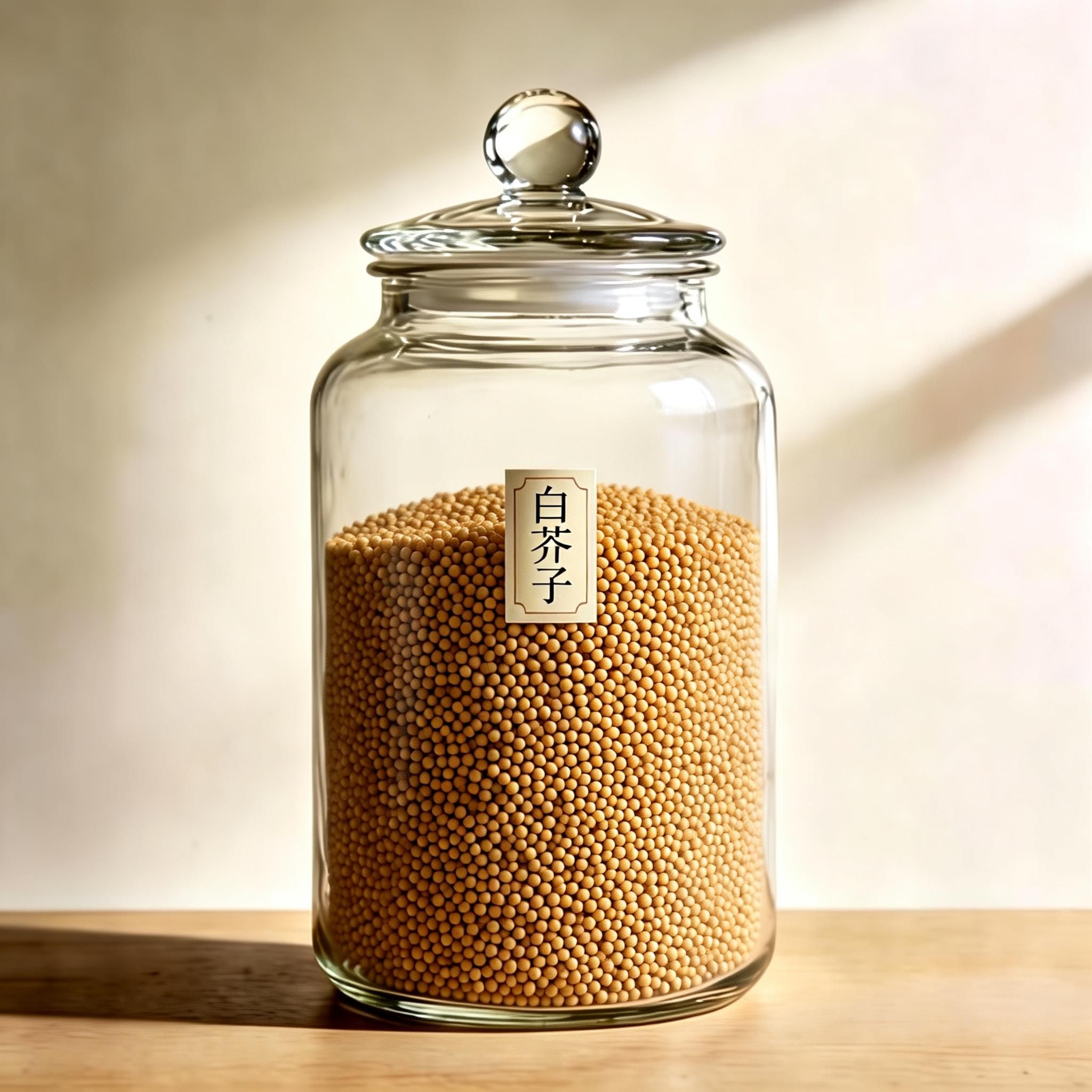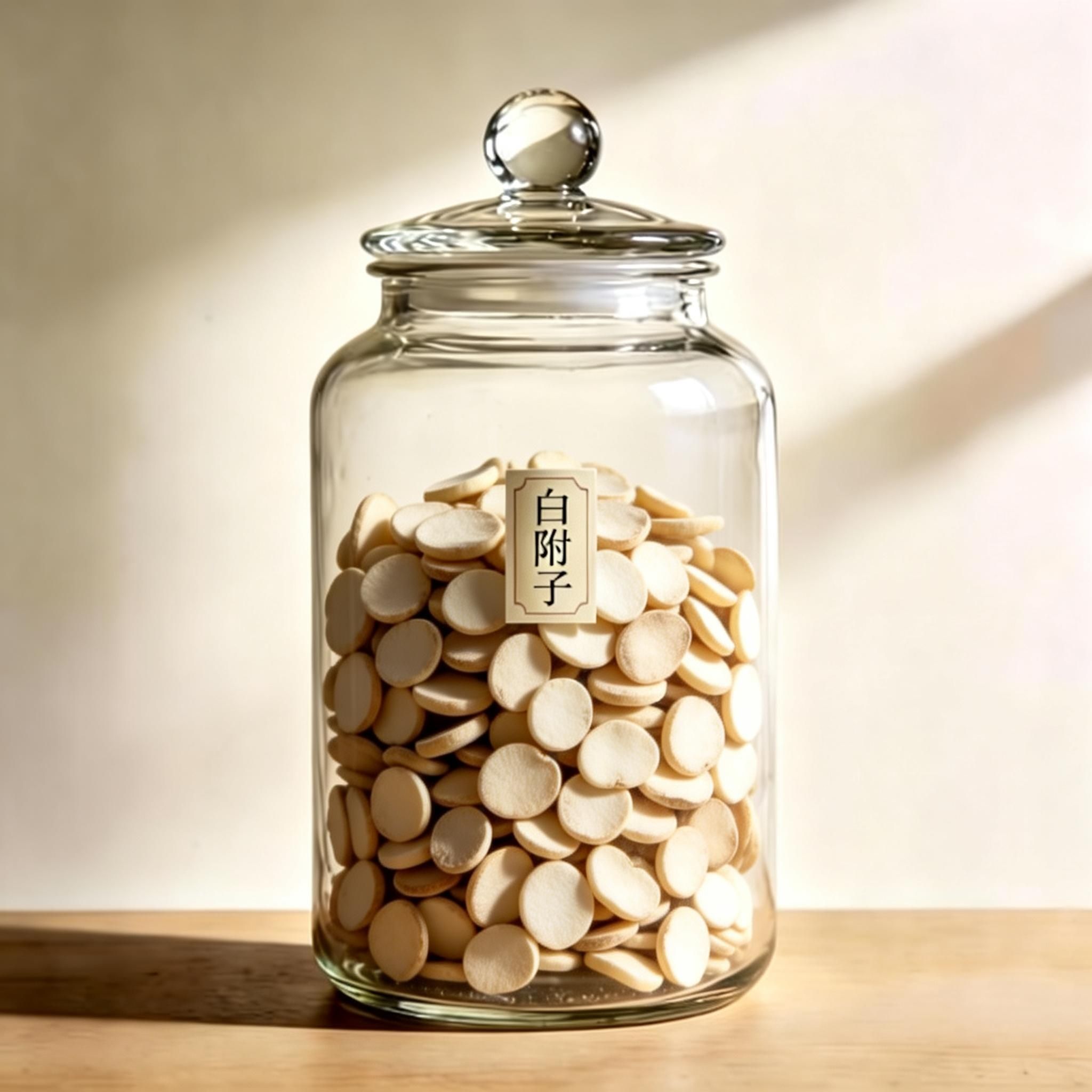
Giant Typhonium Rhizome
白附子
Phlegm-Transforming, Cough-Suppressing and Asthma-Relieving Herbs


Dengbanfeng, Yingtaimu, Jiuduye, Jinguananmupi, Yajiaoshu, Dashujiangjun, Feizhucai, Dengtaishu
Cold; Sweet, Slightly Bitter
The bark contains alkaloids such as ditamine, echitamine, picrinine, reqin, chloro-ditamine, echitine, and echitin; it also contains echiteine, echitin, alstonic acid, alpha-amyrin, alpha-amyrin acetate, lupeol acetate, stigmasterol, beta-sitosterol, and campesterol or its isomer. The leaves contain ditamine, echitamine, picrinine, and picraline and other alkaloids. The roots contain oxyechitamine, alpha-amyrin, alpha-amyrin acetate, lupeol acetate, stigmasterol, and campesterol or its isomer.
1. Expectorant and antitussive effects: oral administration of Xiangpimu aqueous solution to rabbits has a marked expectorant effect (phenol red method). In anesthetized cats, using the electrical stimulation of the superior laryngeal nerve to induce cough, intraperitoneal injection of Xiangpimu aqueous solution slightly reduces cough frequency. 2. Anti-asthma effect: intraperitoneal injection of Xiangpimu aqueous solution in guinea pigs can counteract bronchial spasm induced by acetylcholine spray, and prolong the fall-over time for histamine spray, but cannot prevent death. 3. Effect against acetylcholine and histamine: in isolated guinea-pig ileum tests, large doses of Xiangpimu aqueous solution can counteract the excitatory effect of high-concentration acetylcholine on the intestine. 4. Antipyretic effect: oral administration of Xiangpimu aqueous solution to rabbits has a short-term antipyretic effect on artificially fevered rabbits.
No precautions information available
NOTE: THE INFORMATION PROVIDE IS FOR EDUCATIONAL PURPOSES
ONLY AND IS NOT INTENDED AS MEDICAL ADVICE.