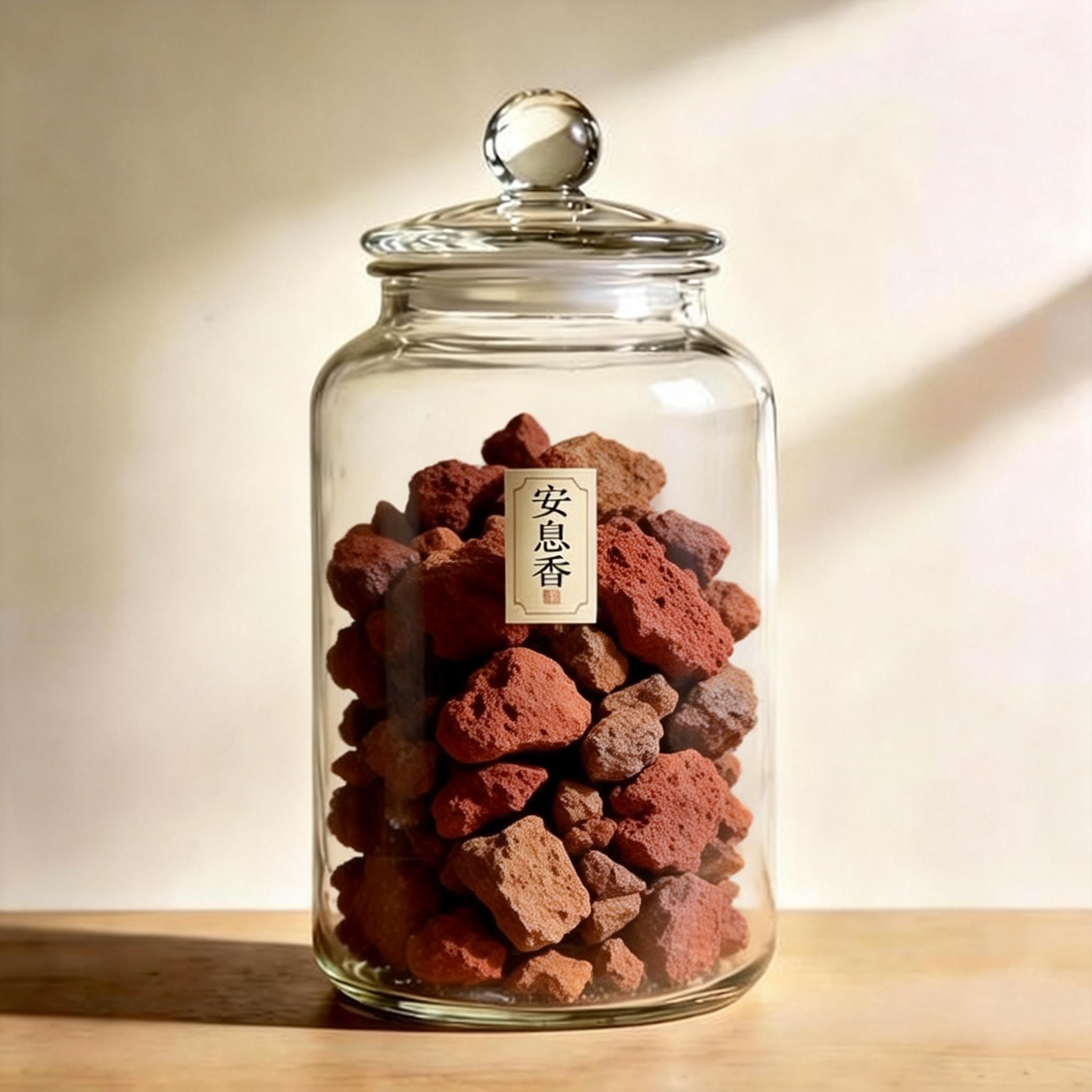
Benzoin
安息香
Other Categories

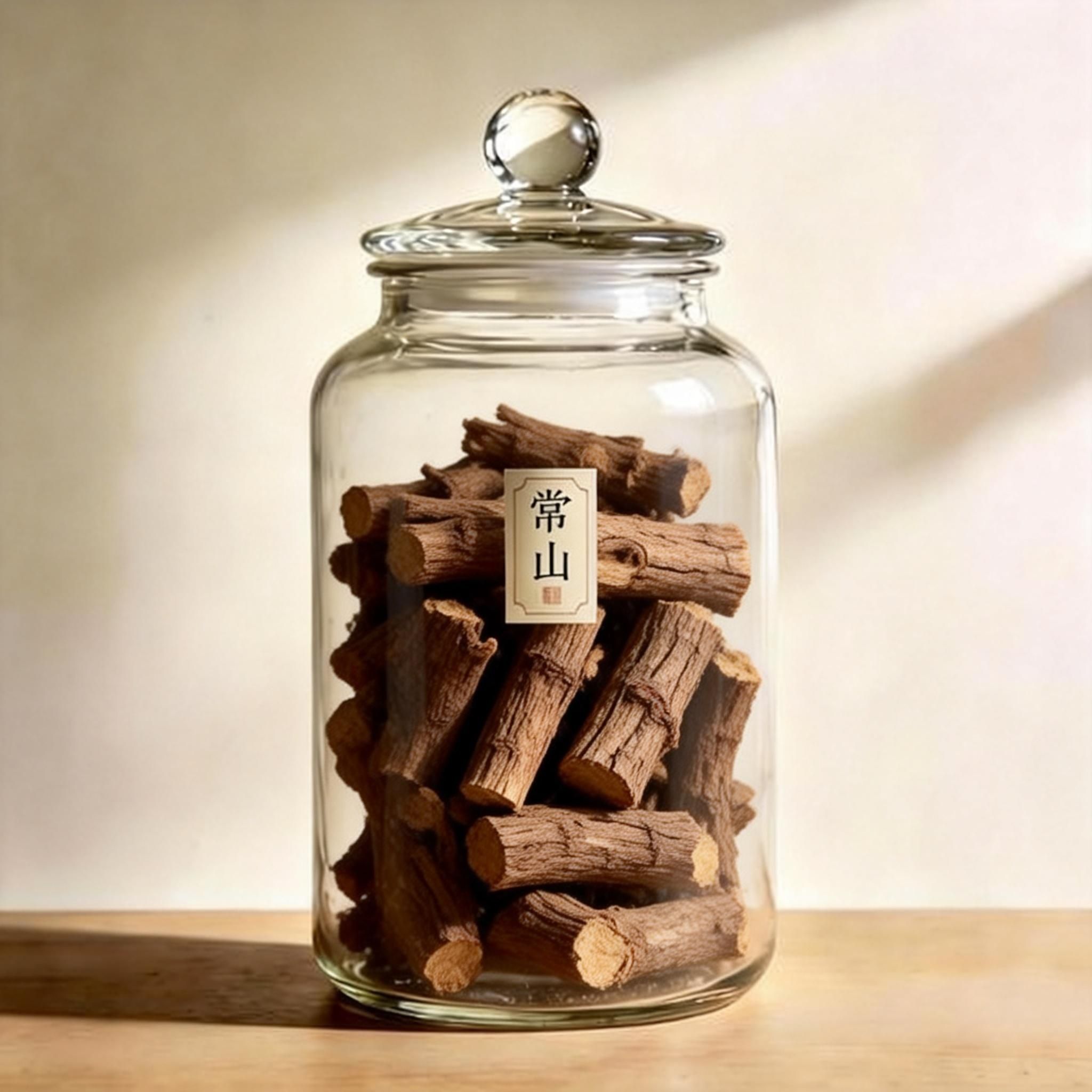
Hucao, Hengshan, Qiyie, Jigu Changshan, Fanwei Mu
Cold; Bitter, Pungent. Toxic
Changshan contains the active constituent dichroine, abbreviated as febrifugine. The alkaloids in the root are mainly α-, β-, and γ-dichroine (febrifugine), the three being tautomers. It also contains dichroidine as well as 4-quinazolone, umbelliferone, etc.
1. Antimalarial effect: Aqueous extract of Changshan root has significant efficacy against chicken malaria; the antimalarial value of Changshan leaves (Shuqi) is 5 times that of the root, but it cannot prevent relapse. The antimalarial value of total alkaloids of Changshan is about 26 times that of quinine. γ-Dichroine is also effective against canary malaria and monkey malaria. Traditionally Changshan was combined with betel nut in antimalarial use, but chicken malaria tests show arecoline itself has no antimalarial effect—it neither enhances the antimalarial potency of β-dichroine nor counteracts β-dichroine-induced vomiting, and instead increases Changshan toxicity. 2. Anti-amebic effect: β-Dichroine's in vitro action against amoebae is stronger than emetine; its efficacy after infection with amoebae in young rats is higher than emetine, and its therapeutic index is also double that of emetine.
No precautions information available
NOTE: THE INFORMATION PROVIDE IS FOR EDUCATIONAL PURPOSES
ONLY AND IS NOT INTENDED AS MEDICAL ADVICE.