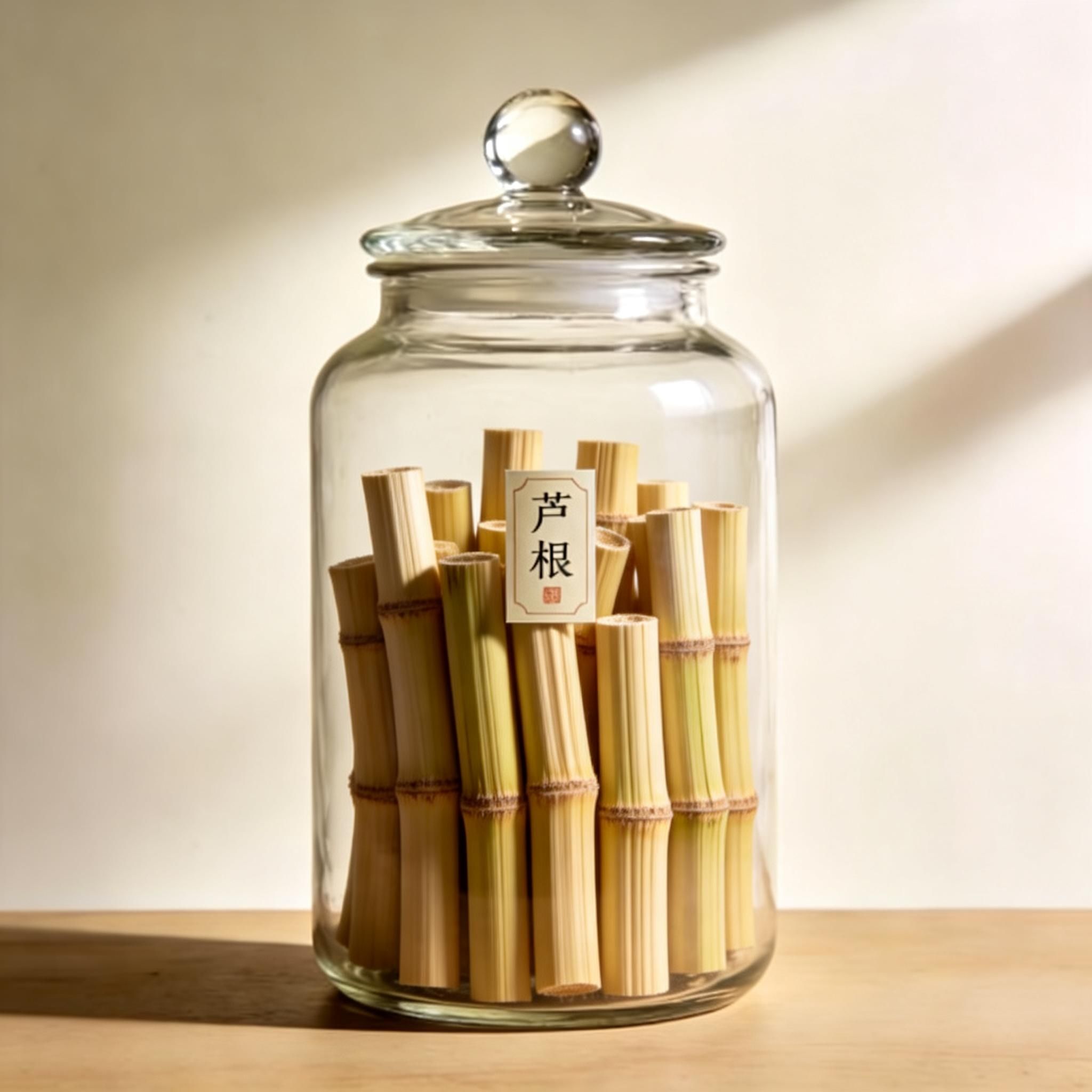
Reed Rhizome
芦根
Heat-Clearing Herbs

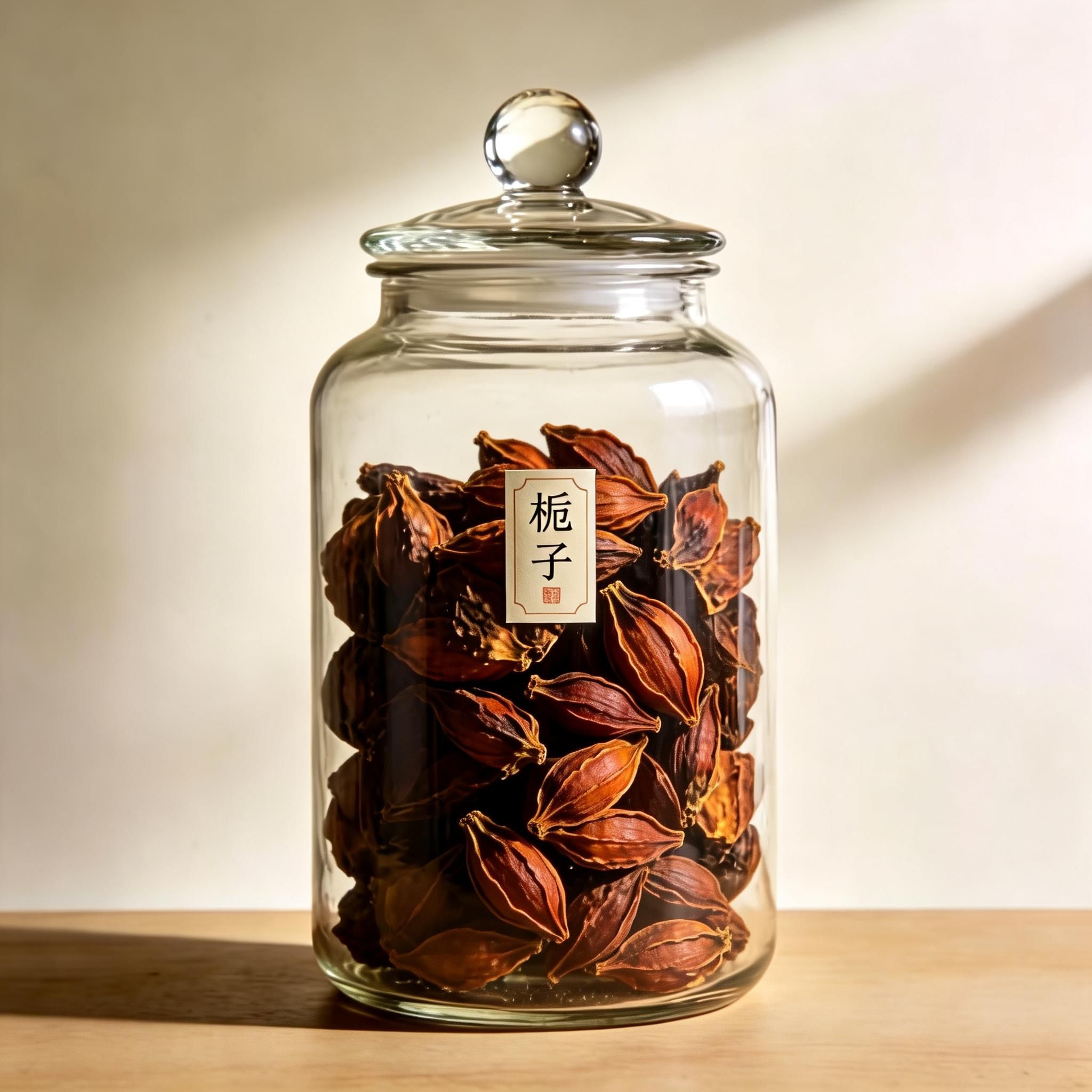
Mountain gardenia; zhizi; yellow gardenia; mountain yellow gardenia
Cold; slightly sour and bitter
This product contains iridoid glycosides, the principal constituents being geniposide derivatives such as geniposide-related compounds, dehydroxygeniposide, and gardenoside. It also contains various organic acids such as chlorogenic acid and ursolic acid, flavonoids such as genipin-related compounds, and triterpenoid constituents such as crocin.
1. Choleretic effect: Oral administration of aqueous or alcoholic extracts of gardenia to rabbits has no effect on the volume or solid content of bile collected from the bile duct, but injection of the same preparations into rabbits begins to increase bile secretion within 15–30 minutes, lasting for more than 1 hour. 2. Sedative and hypotensive effects: Gardenia decoction and alcoholic extract have a sustained blood-pressure-lowering effect in anesthetized or unanesthetized cats, rats, and rabbits, whether given orally or intraperitoneally. Intravenous injection lowers blood pressure rapidly but for a short duration; the site of action appears to be the parasympathetic center in the medulla oblongata. 3. Antimicrobial effect: Gardenia aqueous infusion inhibits various fungi in vivo, including Achorion schoenleinii, Epidermophyton inguinale, and Trichophyton rubrum. Its aqueous decoction at 15 mg/mL can kill Leptospira. In vitro, gardenia decoction can stop the activity of schistosomes, but it does not inhibit bacterial growth.
No precautions information available
NOTE: THE INFORMATION PROVIDE IS FOR EDUCATIONAL PURPOSES
ONLY AND IS NOT INTENDED AS MEDICAL ADVICE.